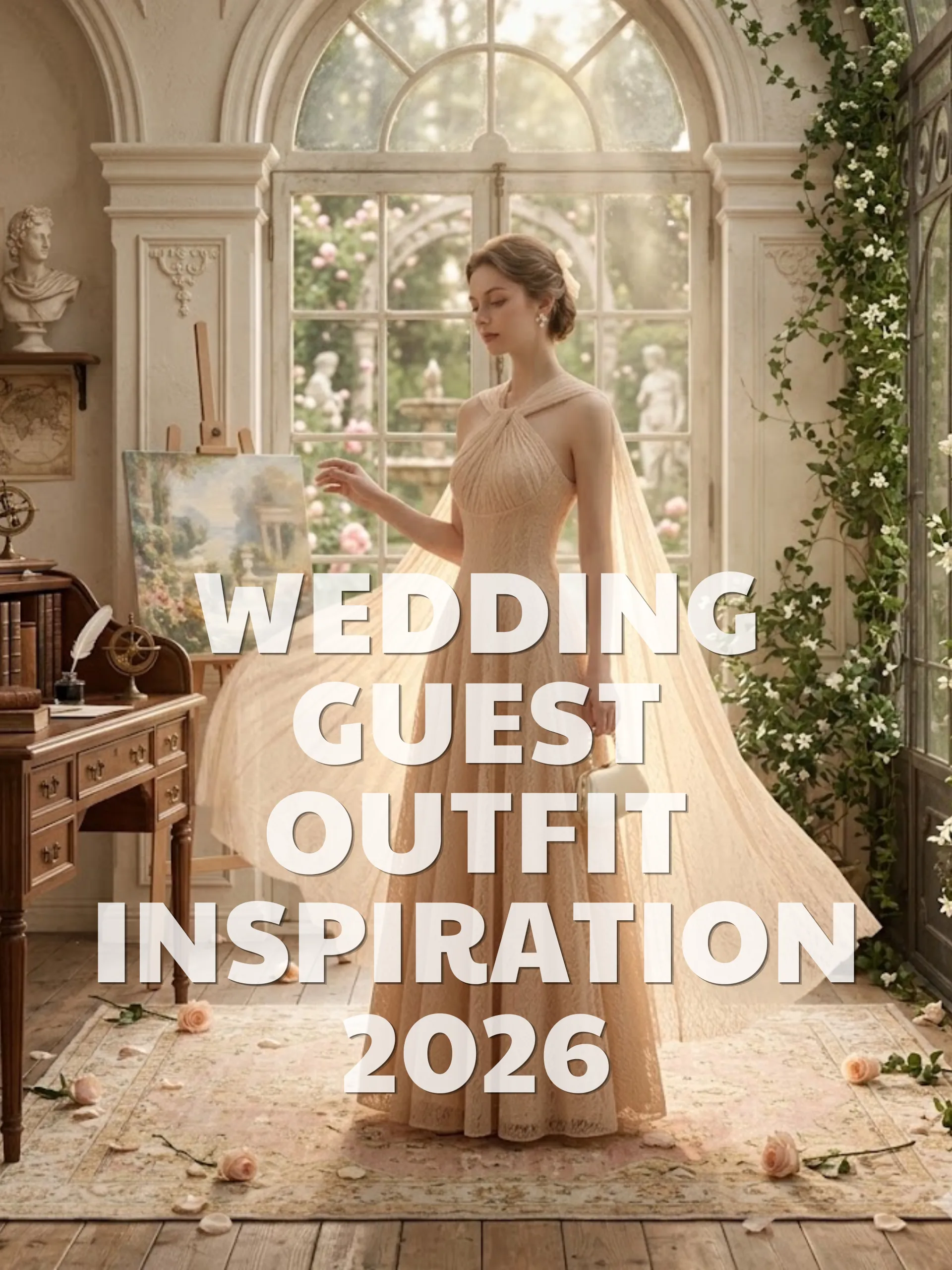
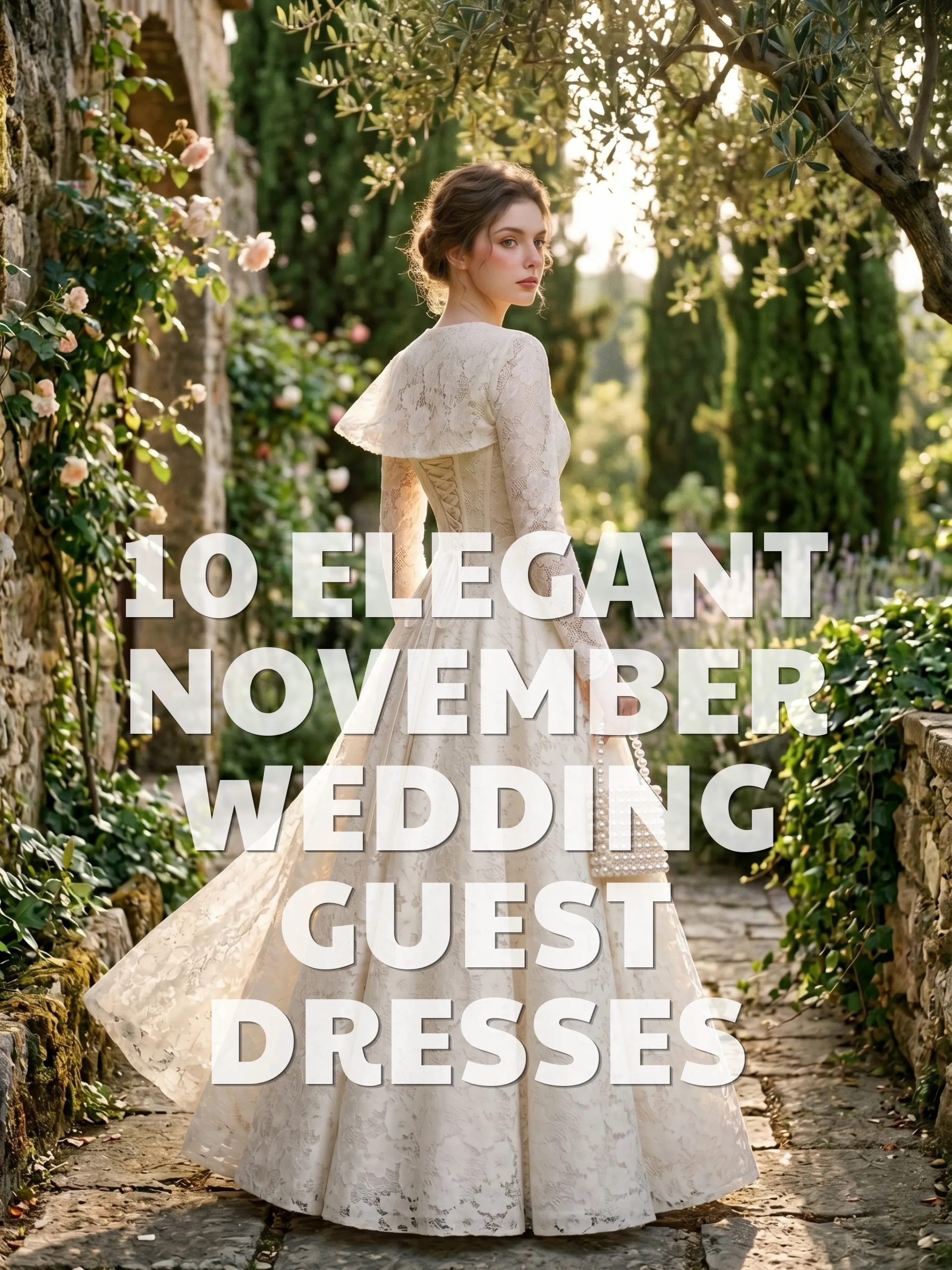
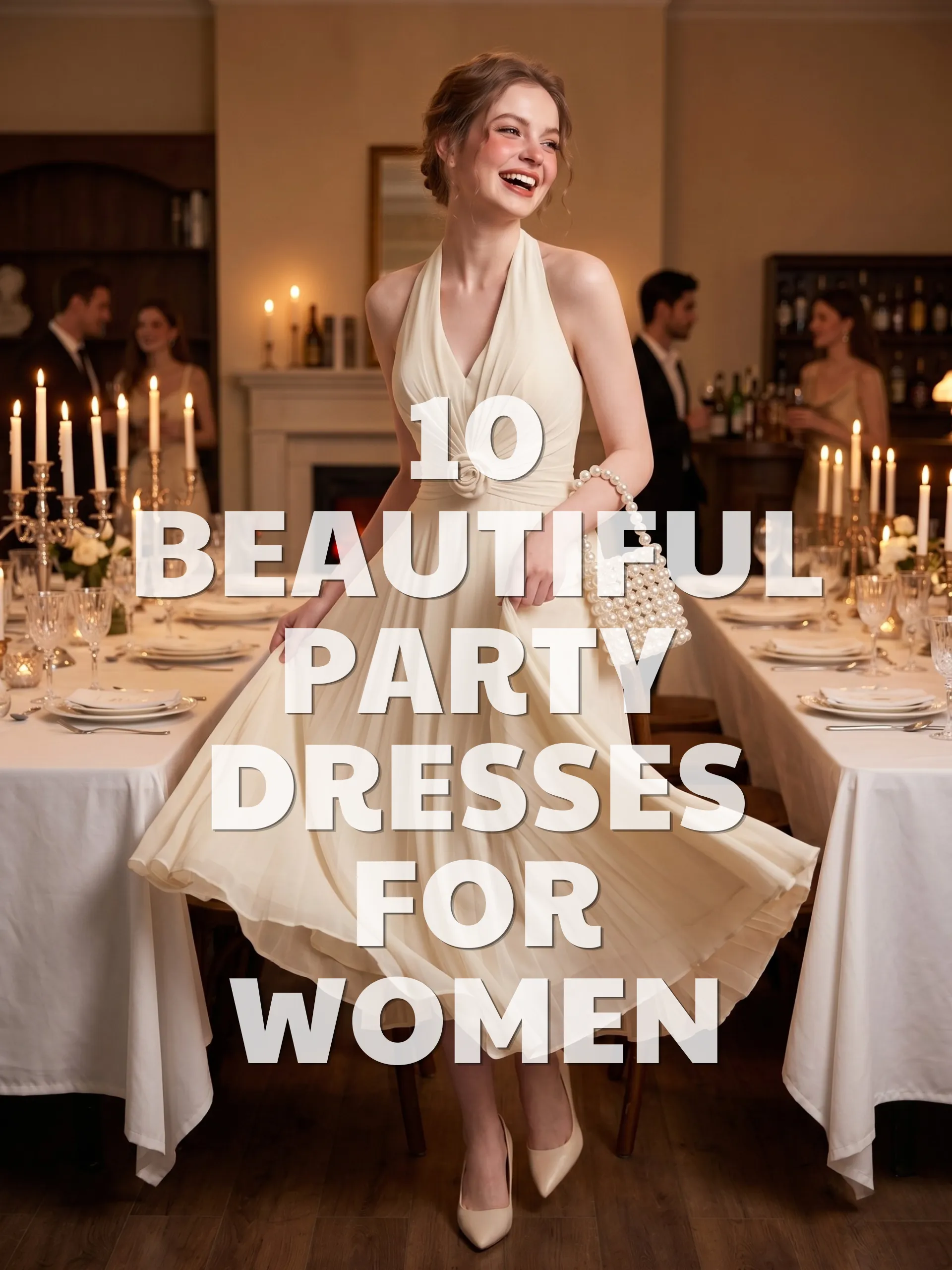
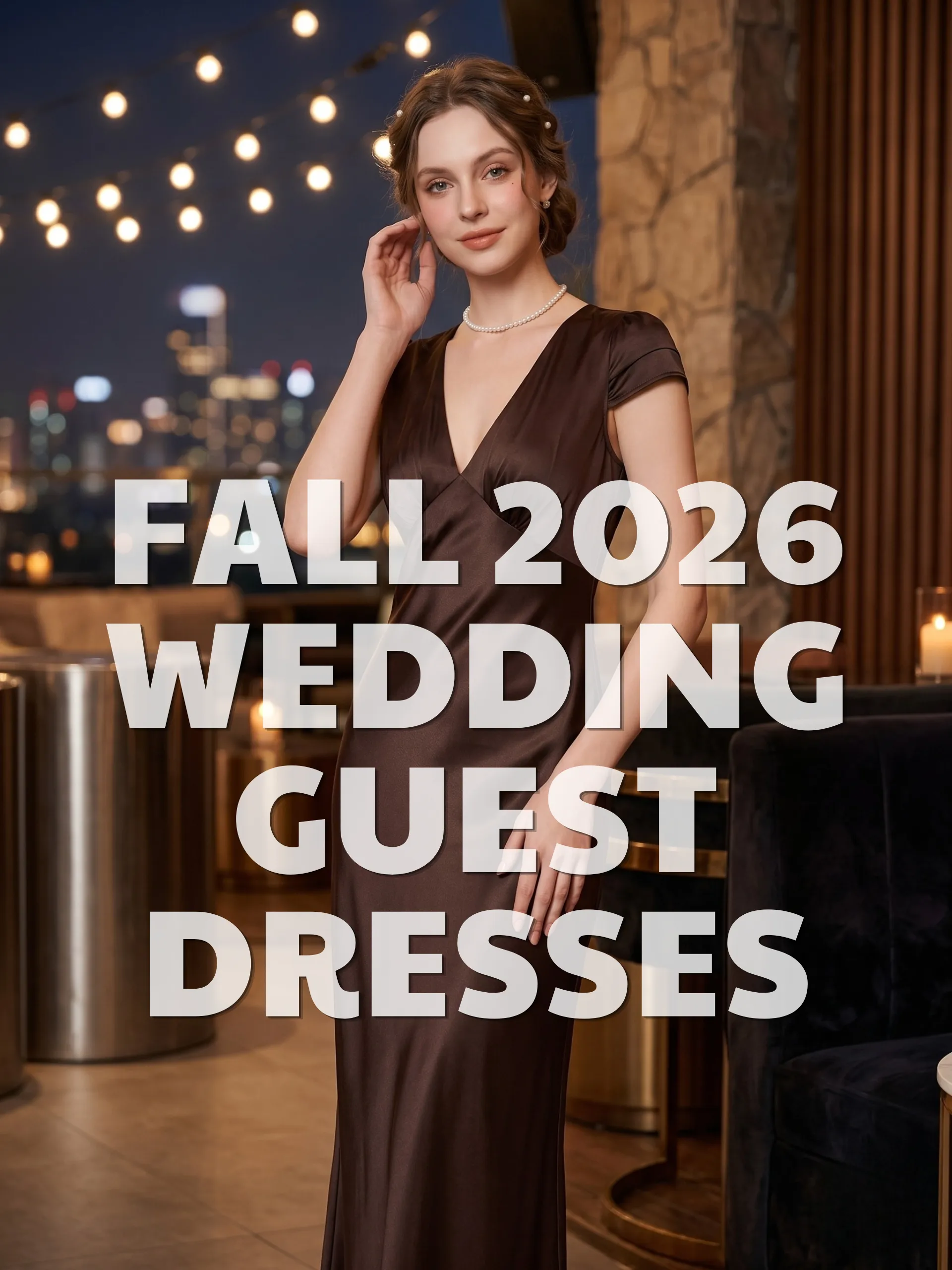
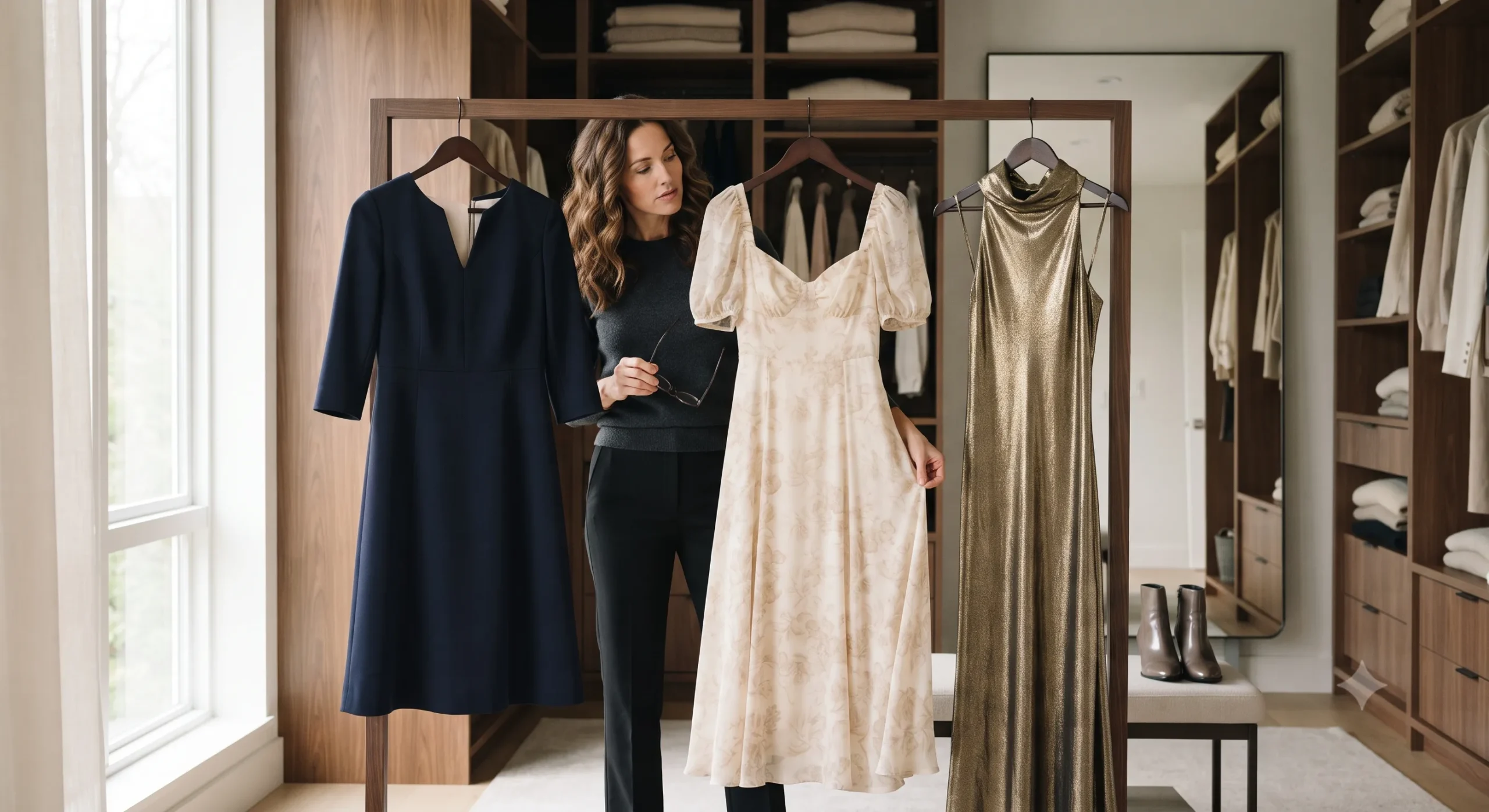
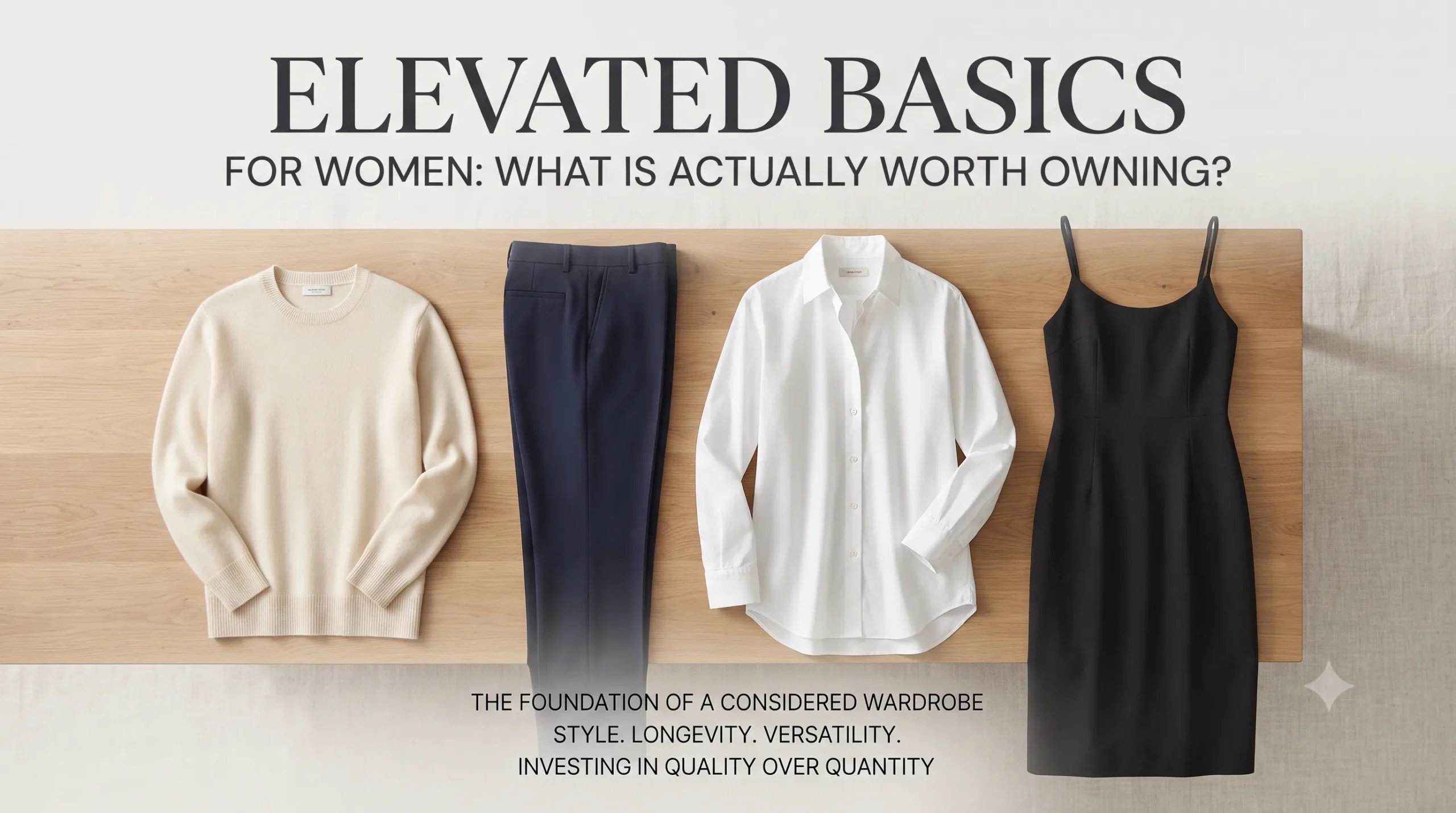
There is a common misconception in fashion that femininity must be loud. We are often taught that to project a feminine energy, one must lean into ruffles, bright florals, or highly decorative silhouettes that demand immediate attention. Conversely, we are told that “minimalism” or “understated style” requires a stripping away of all softness—a descent into a sea of oversized grey blazers, stark architectural lines, and a certain clinical austerity that can feel more masculine or utilitarian than personal.
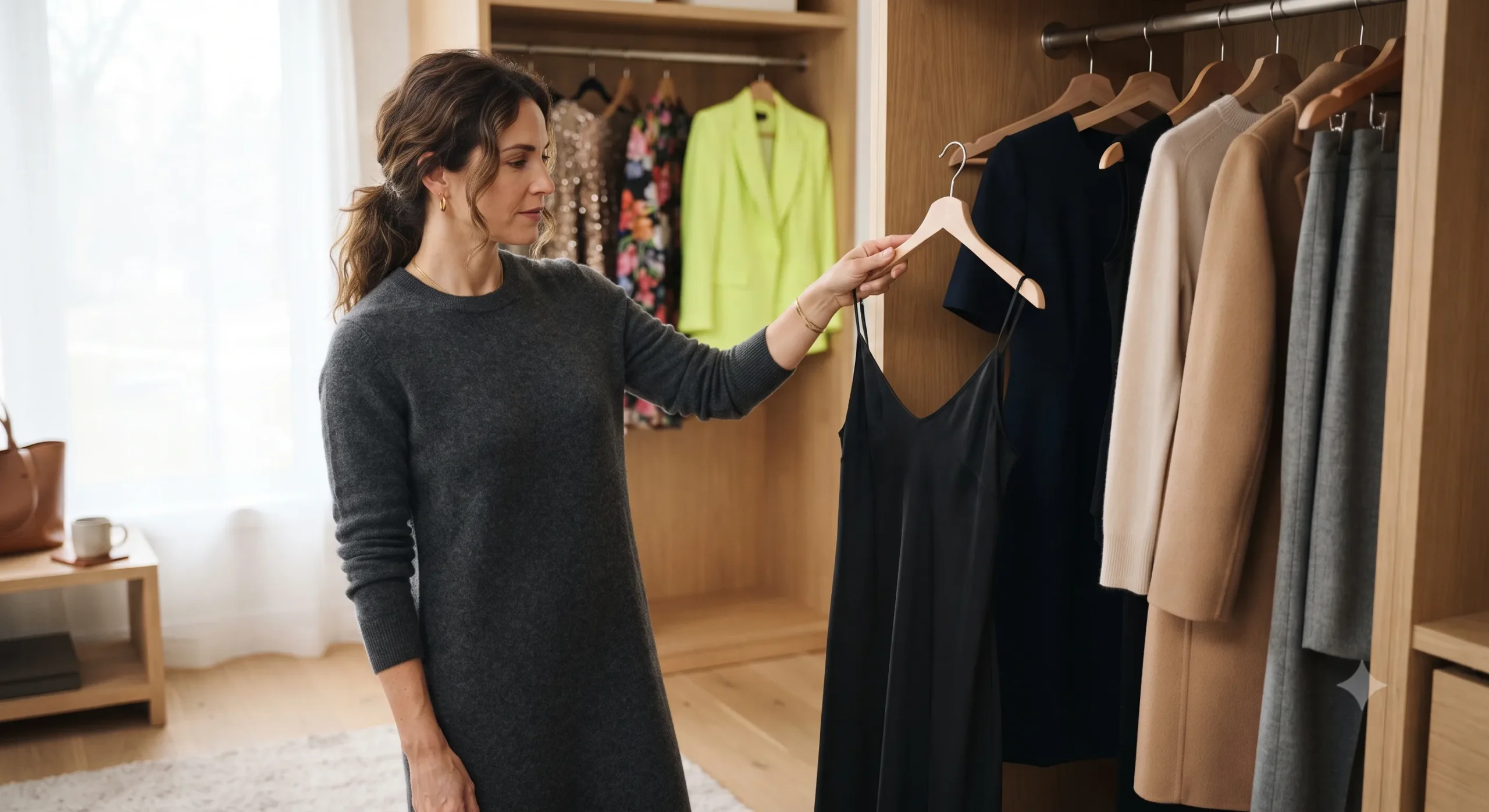
This creates a frustrating dilemma for the woman who values both. You may find yourself standing before a closet full of “basics” that feel boring and devoid of soul, or a collection of “romantic” pieces that feel too precious, too trendy, or simply impractical for a life of professional responsibilities and creative pursuits.
Building an understated wardrobe that remains deeply feminine is not about choosing between being “serious” and being “pretty.” It is about finding the intersection of restraint and grace. It is the art of using subtle details—the way a fabric drapes, the nuance of a neckline, or the intentionality of a silhouette—to communicate femininity without needing to shout.
Defining the Aesthetic: Understated Femininity vs. Traditional Ornamentation
To build this wardrobe, we must first define what we mean by understated femininity. It is a departure from the “costume” aspect of traditional romanticism. Instead of relying on heavy embellishment, this aesthetic relies on refined proportions and tactile quality.
Traditional femininity often leans on ornament: lace overlays, bows, busy prints, and excessive hardware. While beautiful, these elements can often become “dated” quickly or feel disconnected from a modern, professional lifestyle.
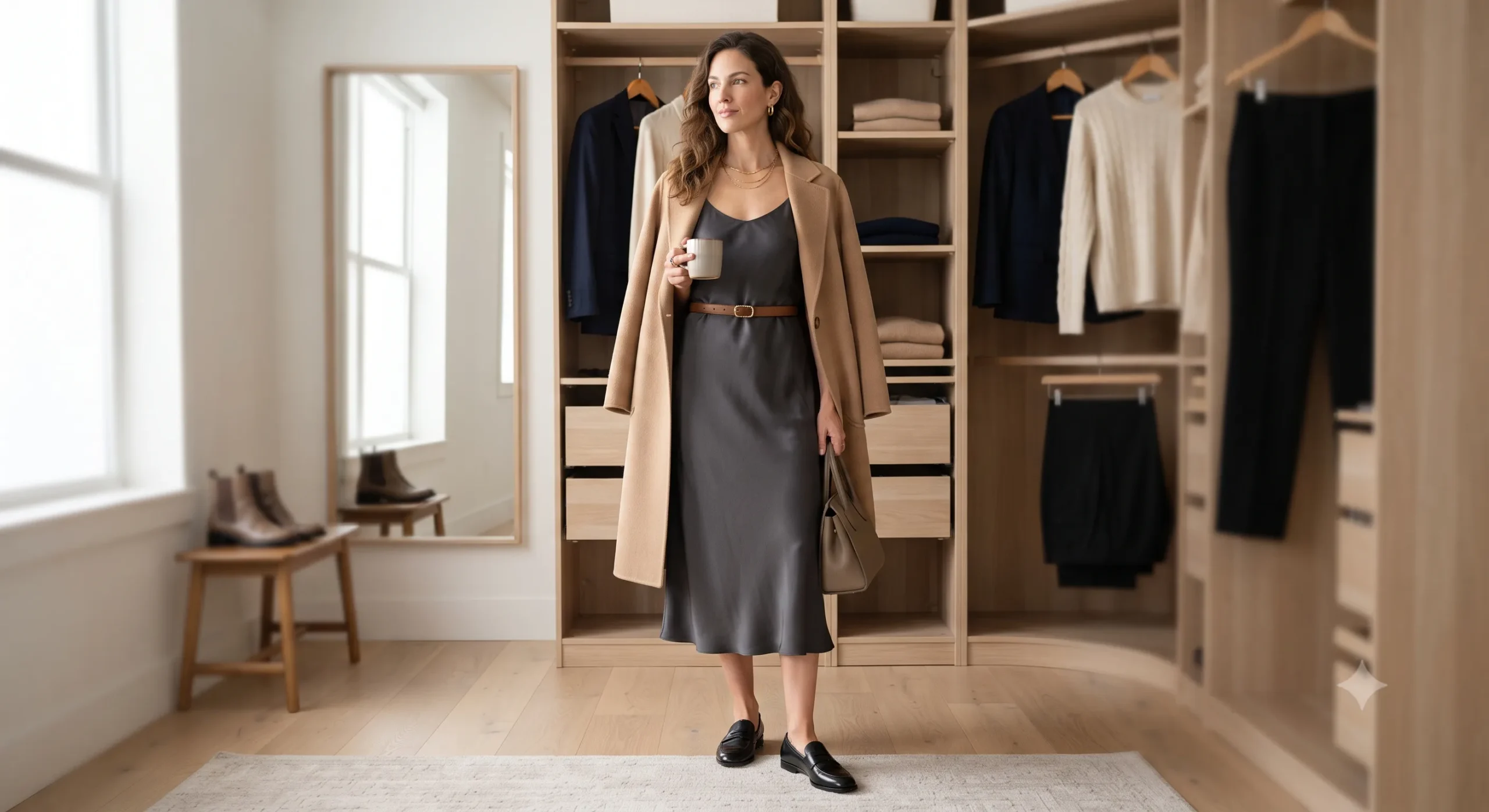
Understated femininity, often associated with the concept of quiet luxury, leans on essence. It is found in the subtle curve of a sleeve, the soft weight of a high-quality midi skirt, or a monochromatic palette that uses texture rather than color to create interest.
Key distinctions to keep in mind:
- Traditional Romanticism: Focuses on what is added to the garment (ruffles, patterns, lace).
- Understated Femininity: Focuses on how the garment interacts with the body (drape, silhouette, softness of structure).
By shifting your focus from decoration to construction, you create a wardrobe that feels sophisticated and mature, yet retains a soft, approachable edge.
The Pillars of a Considered Wardrobe
A successful understated wardrobe isn’t built by buying “minimalist” clothes; it is built by selecting pieces that possess longevity through their design and versatility. When we speak of a thoughtful wardrobe, we are looking for garments that can bridge the gap between different facets of a woman’s life.
1. The Power of Soft Structure
One of the most effective ways to maintain femininity within an understated framework is through “soft structure.” This is the middle ground between a rigid, masculine suit and a shapeless, overly casual garment.
Think of a blazer that is tailored but made from a slightly more fluid fabric, or a pair of trousers that have a defined waist but a gentle drape through the leg. This structural intentionality provides the “polish” required for professional or formal settings, while the softness prevents the look from feeling harsh or cold.
2. Texture as a Substitute for Pattern
When you move away from loud prints, you may feel a sense of visual emptiness. The solution is to introduce texture. Texture provides the visual “noise” that the eye craves without the chaotic energy of a print.
In a neutral-toned wardrobe, a cream silk-blend blouse paired with a heavy wool skirt creates a sophisticated depth. The contrast between the light-catching sheen of the top and the matte, substantial feel of the bottom tells a story of luxury and care. This is how you build interest in a way that remains calm and cohesive.
3. The Nuance of Color Palettes
Understated wardrobes often rely on a cohesive color story. However, “understated” does not have to mean “only black and white.”
A feminine, understated palette often utilizes “near-neutrals”—colors that function as neutrals but carry more emotional warmth. Think of oatmeal, sage green, dusty rose, navy, or espresso. These tones allow for much easier layering and ensure that your pieces work together naturally, reducing the mental fatigue of getting dressed in the morning.
Strategic Decision-Making: The Cost-Per-Wear Framework
As we refine our wardrobes, we must move away from the impulse of the “quick fix”—the cheap, trendy item that solves a momentary styling need but falls apart or goes out of style within months. Instead, we should adopt a logic of long-term value.
When evaluating a piece, consider its cost-per-wear (CPW). A $300 dress that you wear twenty times a year for three years is significantly more economical and environmentally responsible than a $40 dress that you wear twice before it loses its shape or feels “out.”
| Criteria | The Trend-Driven Purchase | The Considered Investment |
|---|---|---|
| Primary Driver | Current social media aesthetic | Personal style alignment & utility |
| Fabric/Construction | Synthetic, thin, high-stretch | Natural fibers, thoughtful seams, weight |
| Versatility | Tied to a specific micro-trend | Works across multiple seasons/settings |
| Longevity | High risk of “outdating” | Resists trend fatigue |
| Emotional Value | Fleeting excitement | Enduring sense of “self” |
When you choose pieces based on their ability to integrate into your existing life, you are not just building a closet; you are building an archive of your personal style.
Practical Scenarios: From Morning Meetings to Evening Events
The true test of an understated, feminine wardrobe is its ability to adapt. A well-constructed piece should be a “chameleon,” capable of shifting its mood through simple styling changes.
Scenario A: The Professional Creative
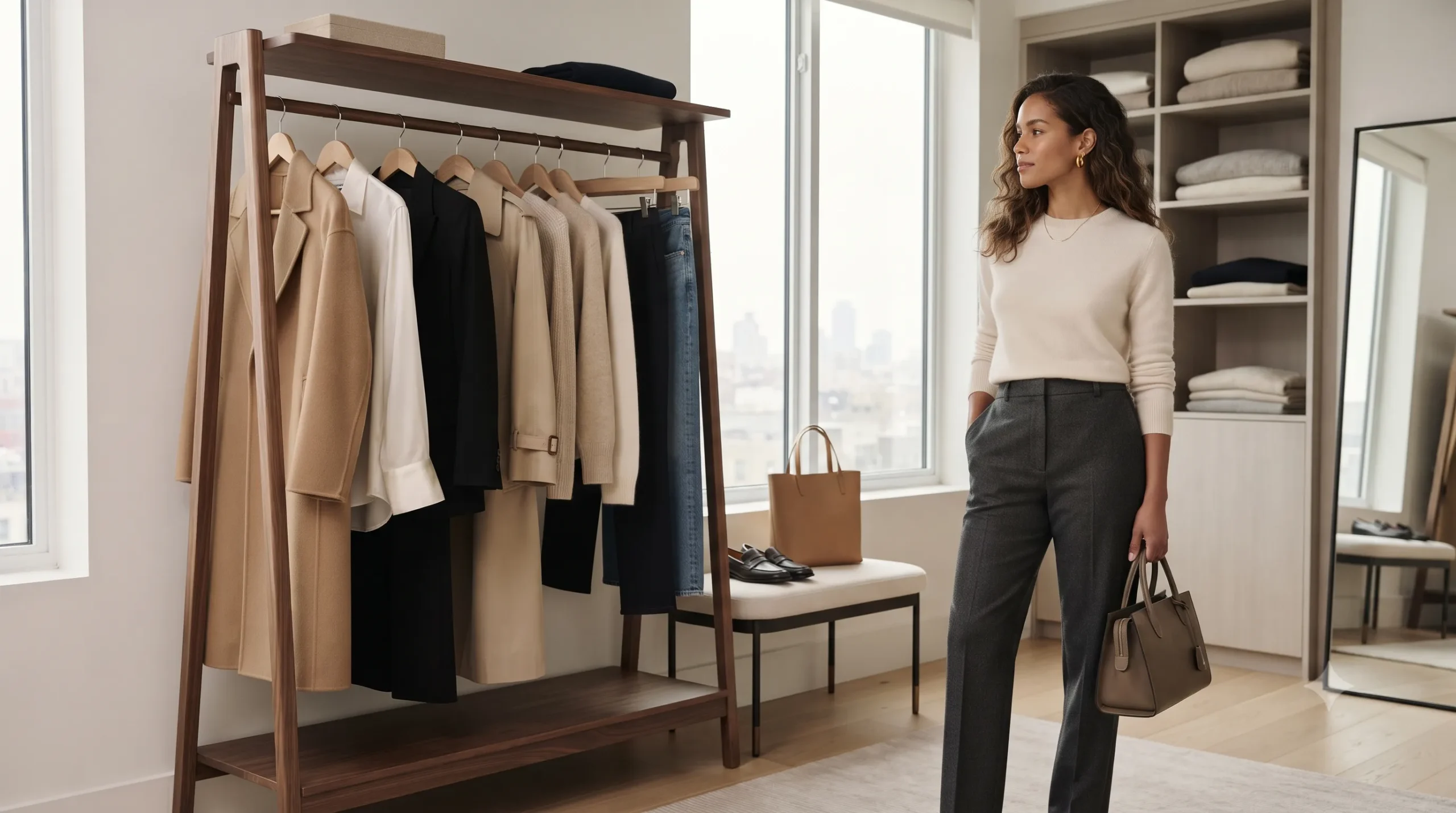
- The Core Piece: A high-waisted, wide-leg trouser in a heavy crepe or wool blend.
- Daytime (Work/Client Meeting): Paired with a tucked-in, fine-knit turtleneck and a structured loafer. The look is authoritative and polished.
- Evening (Gallery Opening/Dinner): Swap the turtleneck for a soft, slightly draped camisole or a bodysuit with a subtle neckline. Add a delicate gold necklace and a pointed-toe heel. The trousers remain the anchor, but the silhouette becomes more fluid and evening-appropriate.
Scenario B: The Elevated Weekend
- The Core Piece: A midi-length skirt with a gentle A-line silhouette.
- Daytime (Brunch/Market): Paired with a high-quality cotton tee and clean white sneakers. The skirt provides a touch of femininity to an otherwise casual outfit.
- Evening (Date Night/Event): Paired with a lightweight knit sweater or a fitted top, tucked in to emphasize the waist. Add a leather belt and a small handbag.
Common Mistakes in Building an Understated Wardrobe
Even with the best intentions, it is easy to veer into extremes. Recognizing these pitfalls can save you from building a wardrobe that feels either too sterile or too cluttered.
1. The “Minimalist Uniform” Trap
Many women attempt to build an understated wardrobe by buying only the most basic items: plain black t-shirts, straight-leg denim, and grey sweaters. While these are useful, a wardrobe composed entirely of basics lacks personality. You need “anchor pieces”—items with unique silhouettes, interesting textures, or subtle design details—to prevent your style from feeling anonymous.
2. Neglecting Fit and Proportion
In a loud, trend-driven outfit, the details of fit can sometimes be masked by heavy patterns or accessories. In an understated outfit, the fit is everything. Because there is less “noise,” the eye focuses more on the lines of the garment. If a piece is slightly too long in the sleeve or pulls awkwardly at the hip, it will immediately look unpolished rather than intentional.
3. Overlooking Fabric Quality
Understated style relies heavily on the “hand” of the fabric—how it feels and how it moves. If you choose synthetic fabrics that have a high-shine or plastic-like quality, the “quiet luxury” effect is lost. Natural fibers (or high-quality blends) behave more gracefully, drape more naturally, and age much better over time.
A Checklist for Intentional Purchasing
Before your next purchase, run the item through this mental filter to ensure it aligns with your goal of a refined, feminine, and understated wardrobe:
- Versatility Check: Can I think of at least three different ways to style this with items I already own?
- Occasion Mapping: Does this work for my real life (work, social, home), or is it for a “fantasy version” of myself?
- Texture & Tone: Does this color or texture complement my existing palette, or will it clash?
- Silhouette Analysis: Does the shape of this garment feel “softly structured” or does it feel overly rigid/shapeless?
- Longevity Test: Will I still feel comfortable wearing this in two years, regardless of what is “in”?
Conclusion: Dressing with Clarity
Building an understated wardrobe that remains feminine is a journey toward clarity. It is about stripping away the noise of the fashion cycle to find the elements that truly resonate with your sense of self.
When you prioritize fit, texture, and thoughtful proportions over loud trends, you create a space in your life where getting dressed feels less like a chore and more like an act of self-care. You move from a place of “having nothing to wear” to a place of “having everything I need.”
Ultimately, the most beautiful thing a woman can wear is the sense of ease that comes from knowing her clothes are a true reflection of her character: composed, graceful, and entirely herself.