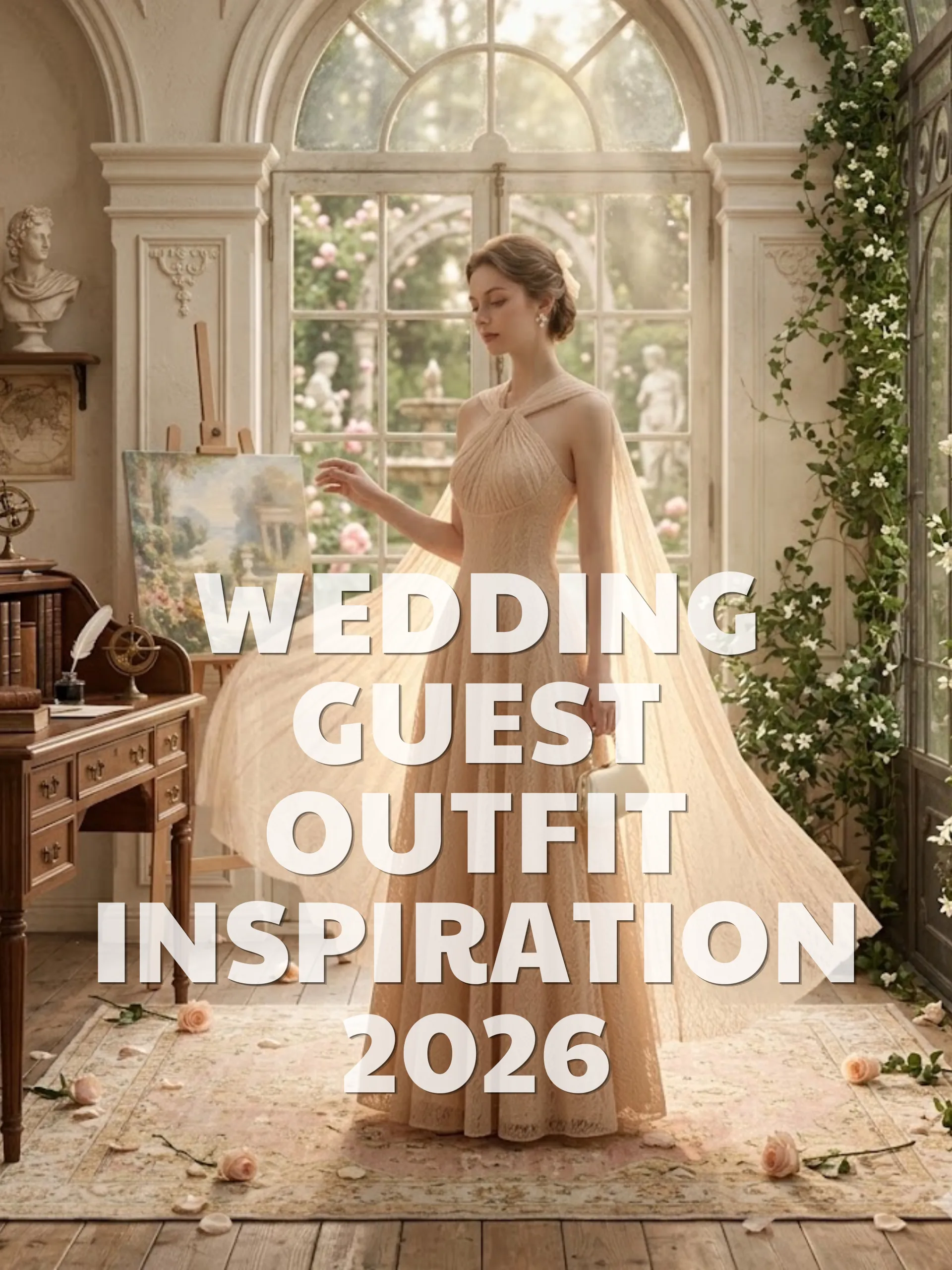
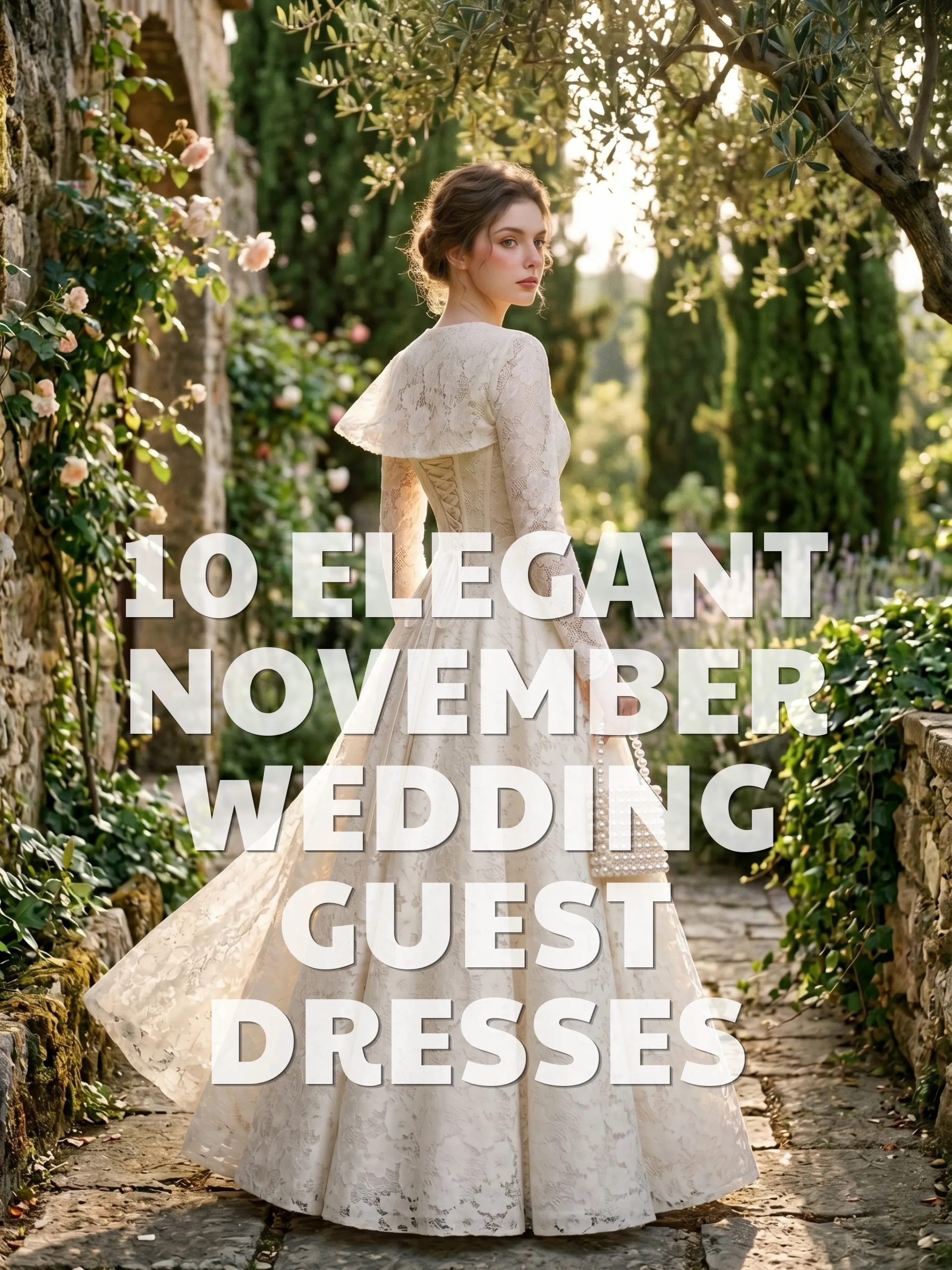
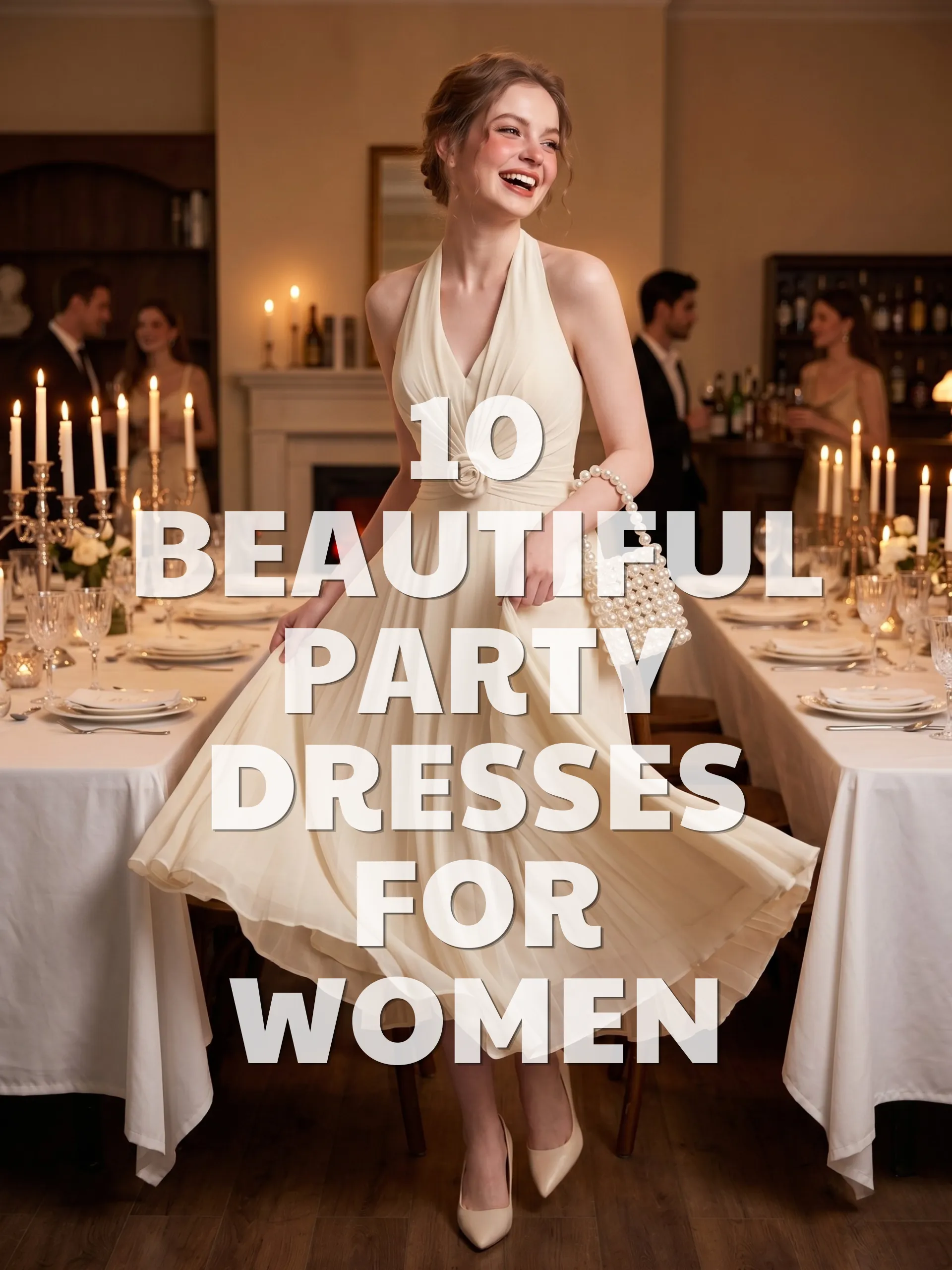
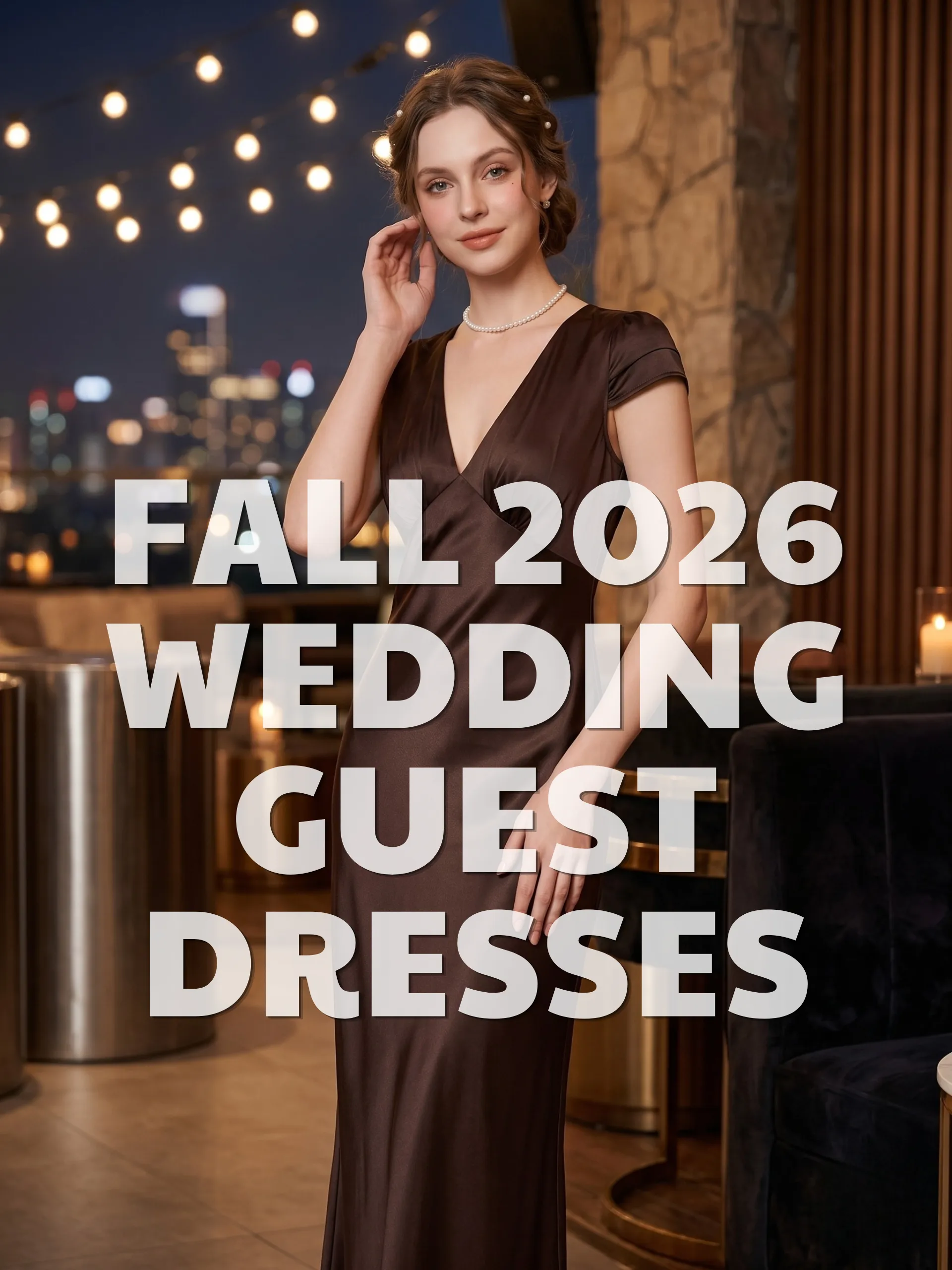
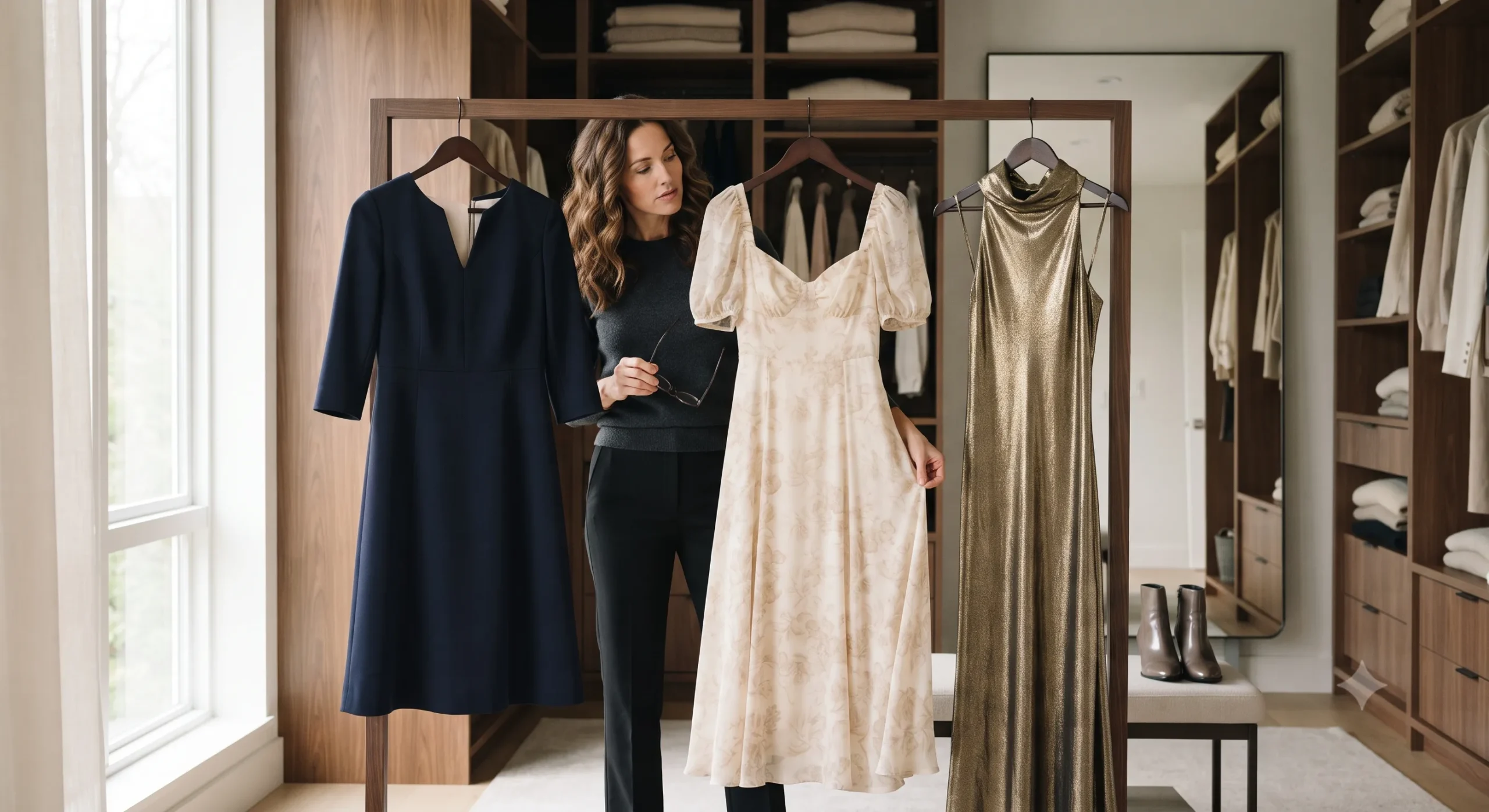
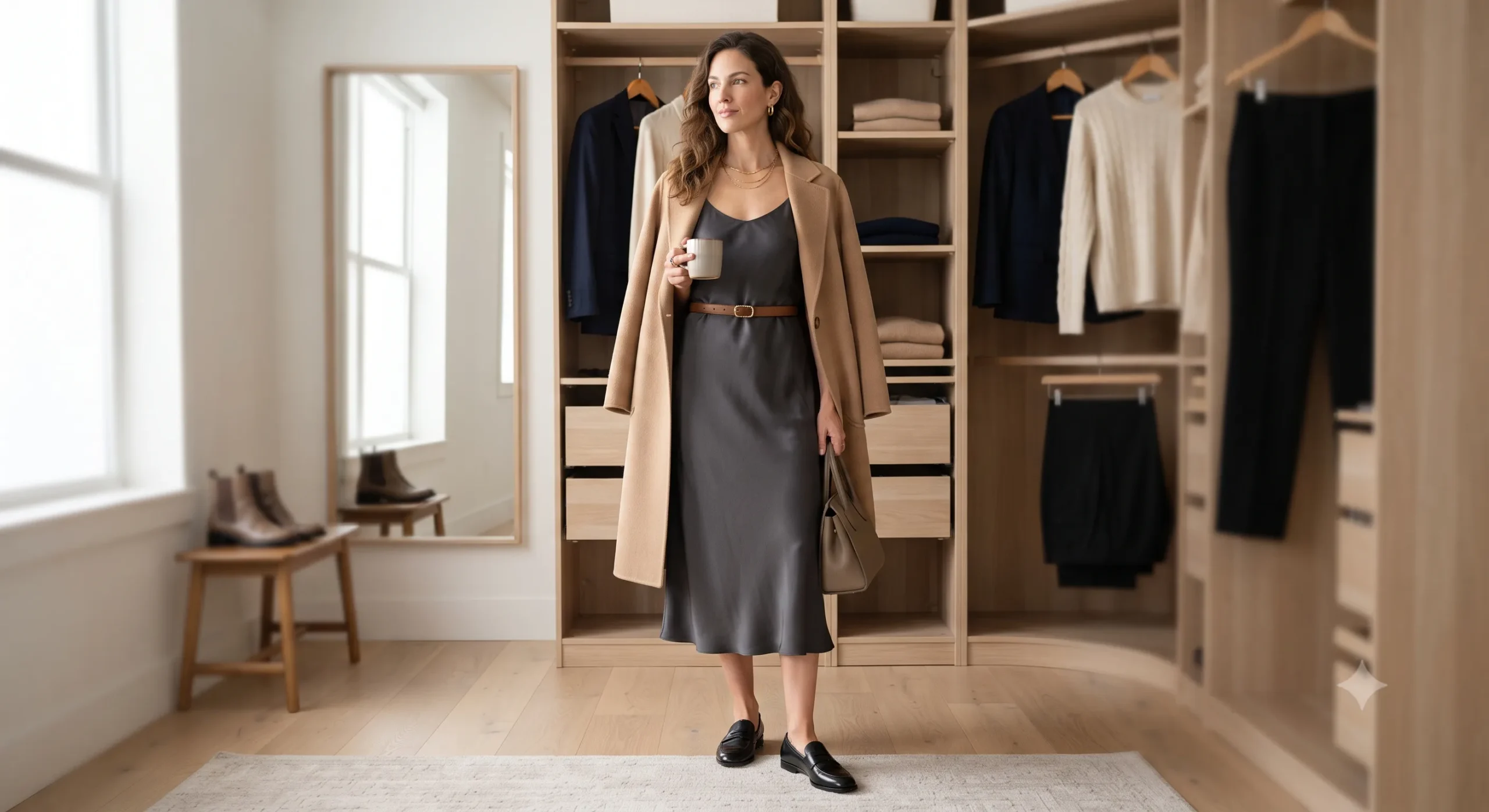
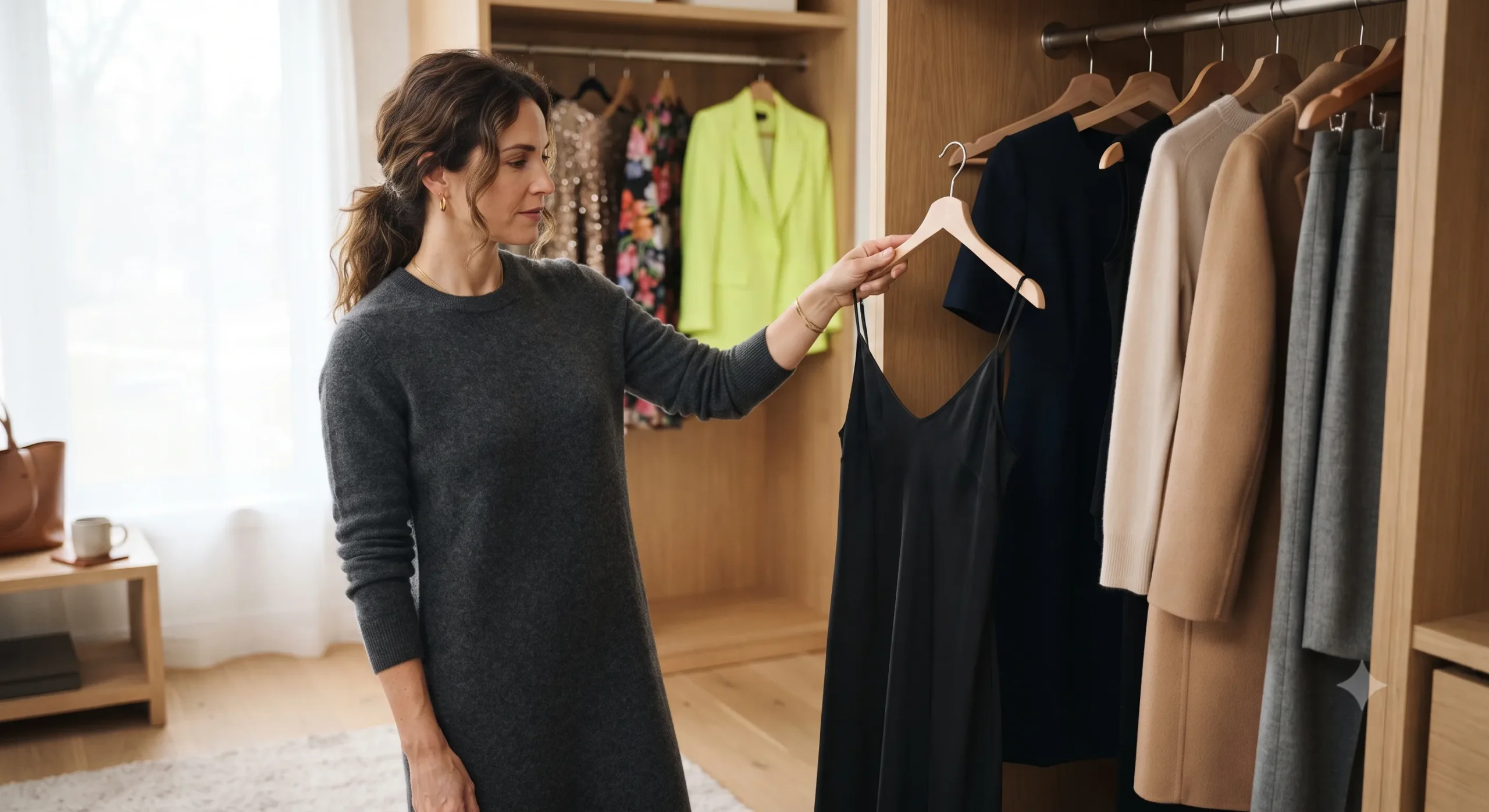
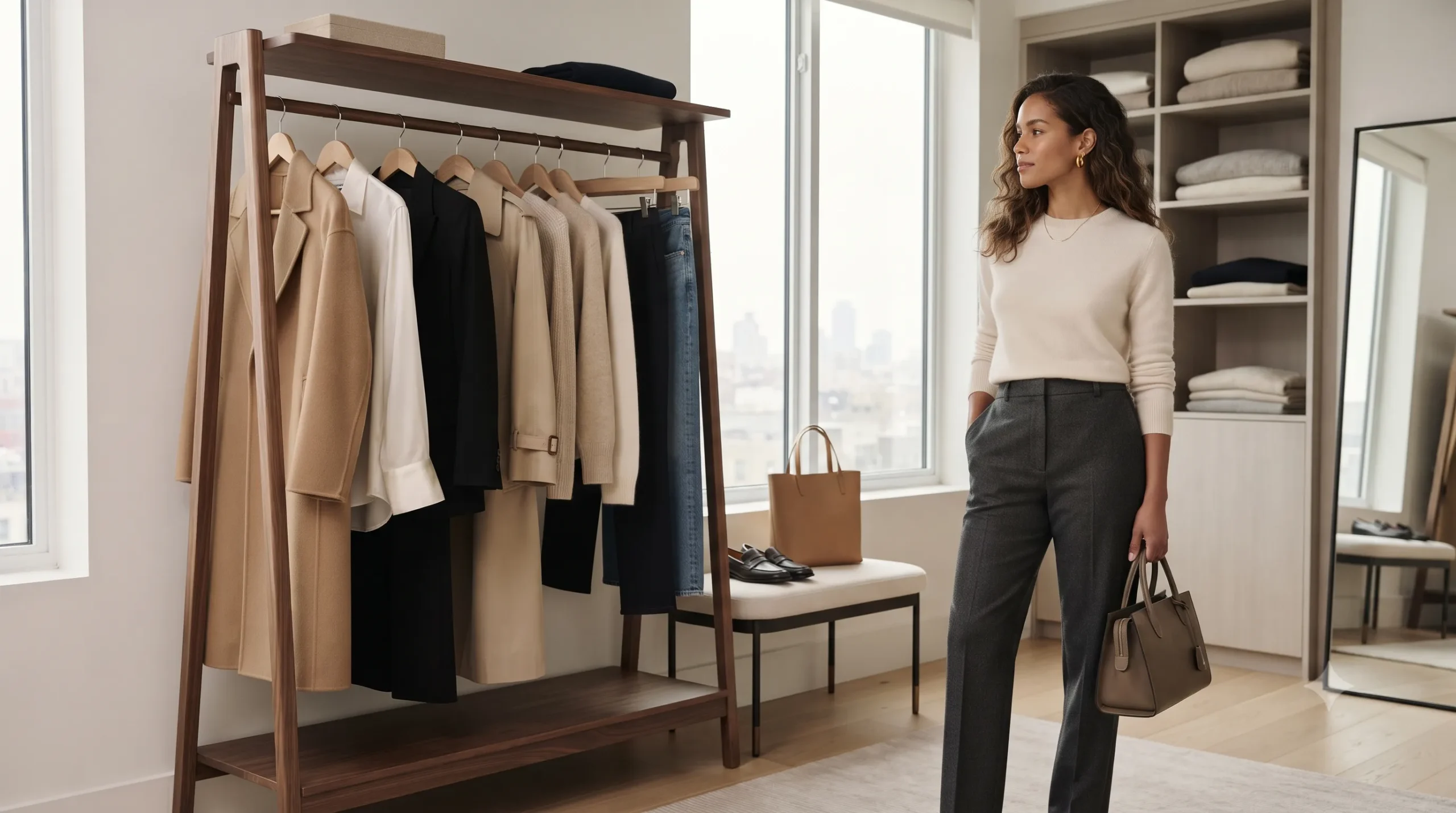
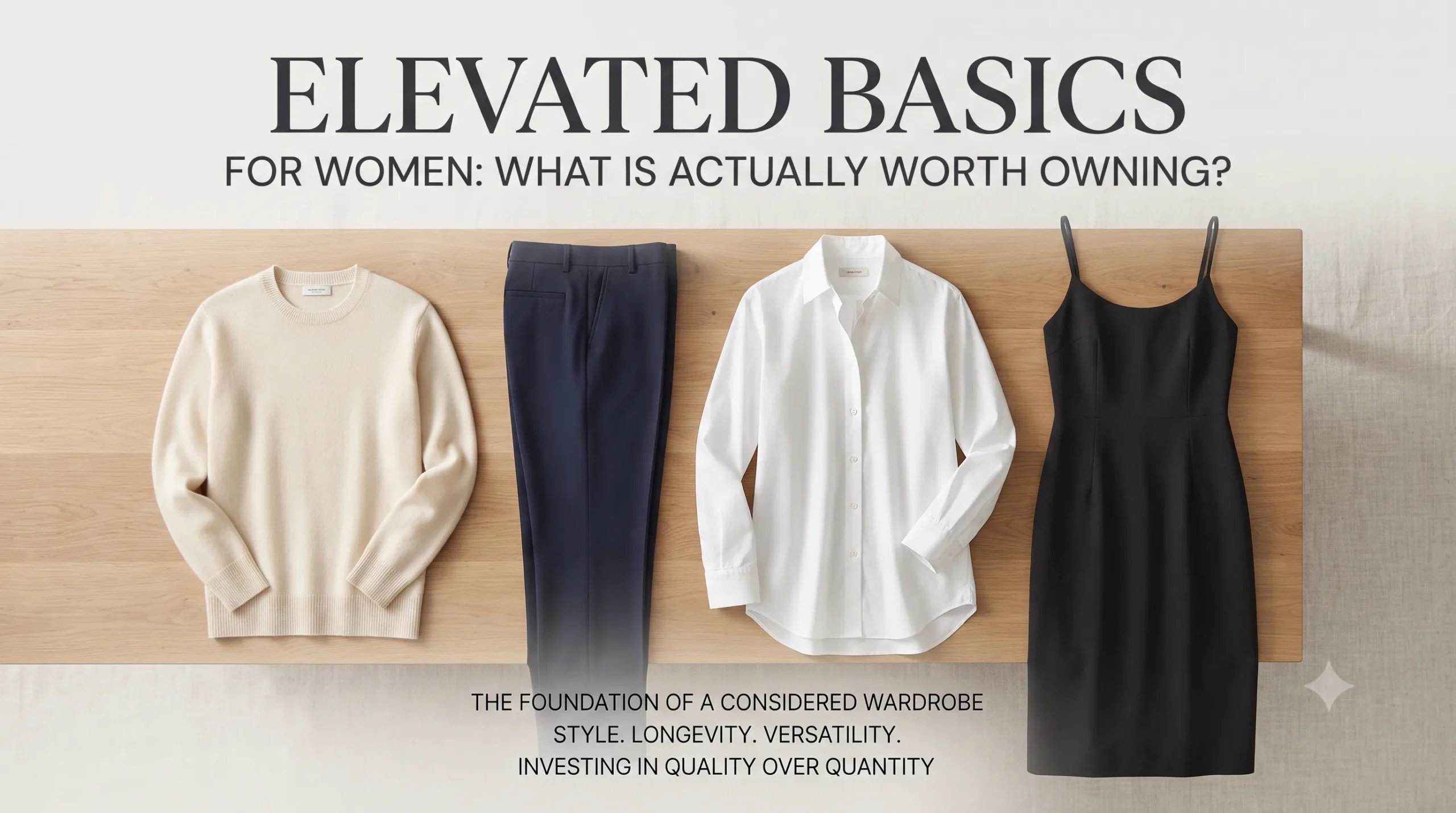
There is a specific kind of exhaustion that comes from a closet full of “newness.” It is the fatigue of a wardrobe built on micro-trends, heavy branding, and the constant, restless pressure to signal status through visible logos. We have all experienced that moment: standing before a rack of clothes that feel visually loud, yet somehow leave us feeling uninspired and unprepared for the actual texture of our lives.
Recently, a different sensibility has begun to take hold—one that feels less like a pursuit of status and more like a return to composure. This is the essence of quiet luxury. While the term is often used in fashion media to describe high-priced minimalism or the wardrobes of the ultra-wealthy, its true application in everyday dressing is much more accessible and significantly more profound.
Quiet luxury is not a price point; it is a philosophy of restraint. It is the decision to prioritize how a garment moves, how a fabric feels against the skin, and how a silhouette holds its shape through a long afternoon of meetings or a spontaneous evening walk. It is about moving away from “looking expensive” and toward looking composed, thoughtful, and intrinsically yourself.
Defining the Nuance: Beyond the Trend
To understand quiet luxury in a practical sense, we must first strip away the marketing hype. In many circles, the term has been reduced to a “beige aesthetic”—a repetitive loop of cream knits and neutral linen. While a neutral palette is often a tool of this style, it is by no means the definition.
At its core, quiet luxury is characterized by discreet polish. It is the absence of obvious branding in favor of impeccable construction. When you see someone dressed in this manner, you aren’t drawn to a logo on a chest or a belt buckle; you are drawn to the way a coat drapes over the shoulders or the way a mid-length skirt maintains its structure.
The Three Pillars of Understated Style
To transition from trend-chasing to a more considered way of dressing, it helps to look at three specific elements that define this approach:
- Material Integrity: Because there are no logos to do the talking, the fabric must carry the weight of the look. This means choosing materials that have inherent character—fabrics that age gracefully, breathe well, and possess a tactile depth. It is the difference between a polyester blend that loses its shape after three washes and a high-quality wool or heavy cotton that grows more comfortable with time.
- Intentional Proportion: Quiet luxury relies heavily on “soft structure.” This doesn’t mean stiff or corporate; rather, it means garments that respect the natural lines of the body. It is about finding that balance where a sleeve is neither too tight nor too voluminous, and a hemline hits exactly where it should to create a sense of visual calm.
- Visual Cohesion: Instead of wearing “statement pieces” that clash or demand total attention, this style favors a harmonious flow. Colors are often pulled from a sophisticated, grounded palette—navy, charcoal, olive, sand, or cream—allowing the wearer to layer different textures without creating visual noise.
The Practicality of the “Thoughtful Wardrobe”
One of the greatest misconceptions about understated elegance is that it is difficult to maintain or requires a massive budget. In reality, the most effective way to practice quiet luxury is through the cultivation of a thoughtful wardrobe—a collection of pieces chosen with care for their ability to work across multiple real-life scenarios.
When we shop for trends, we are often buying for a single “moment”—a specific party, a fleeting aesthetic, or a social media trend. When we dress with quiet luxury in mind, we are investing in “emotional longevity.” We are asking: Will this piece feel as relevant to me in three years as it does today? Does it serve my real life?
Decision Matrix: Trend vs. Timelessness
When standing in a fitting room, use this mental framework to decide if a piece belongs in a considered wardrobe or if it is a temporary distraction.
| Feature | The Trend-Driven Piece | The Quiet Luxury Piece |
|---|---|---|
| Visual Signal | Uses logos, loud prints, or “of-the-moment” hardware. | Relies on silhouette, texture, and subtle details. |
| Fabric Behavior | Often thin, shiny, or prone to pilling/stretching quickly. | Has weight, drape, and a visible grain or weave. |
| Versatility | Hard to pair; requires specific “matching” items. | Acts as an anchor; pairs easily with various styles. |
| Longevity | Feels “dated” once the specific trend passes. | Maintains relevance through changing seasons. |
| The “Feel” Test | Feels like a costume or a temporary identity. | Feels like an extension of your personal composure. |
Applying Understated Sophistication to Everyday Scenarios
The true test of a wardrobe is not how it looks in a curated photo, but how it performs during the messy, varied intervals of a standard week. Quiet luxury is at its most powerful when it simplifies these transitions.
Scenario 1: The Transition from Professional to Personal
Imagine a day that begins with a series of client presentations and ends with a casual dinner with friends.
- The Trend Approach: A sharp, highly structured blazer that feels too “office” for dinner, paired with fast-fashion trousers that require constant adjusting.
- The Understated Approach: A well-tailored knit blazer or a heavy-weight cotton shirt paired with refined trousers in a soft drape. The pieces are polished enough for the boardroom but lack the aggressive “uniform” feel of traditional workwear, allowing you to move into an evening setting with ease.
Scenario 2: The Weekend Travel or Errands
Even when we are at our most casual, there is a difference between “disheveled” and “relaxed.”
- The Trend Approach: Oversized graphic hoodies and distressed denim that can feel heavy and visually cluttered.
- The Understated Approach: A high-quality cashmere or heavy cotton sweater, straight-leg chinos, and a clean leather loafer or minimalist sneaker. This approach provides comfort without sacrificing the sense of being “put together.”
Common Mistakes in Seeking Low-Key Elegance
Even with the best intentions, it is easy to fall into traps that make an outfit feel flat or unintentionally sloppy. Avoiding these errors is key to mastering the art of subtle sophistication.
1. Confusing Minimalism with Lack of Interest
A common mistake is thinking that because the colors are neutral, the outfit should be “plain.” A wardrobe of quiet luxury should never be boring. The interest should come from texture. Pair a smooth wool trouser with a slightly ribbed knit; pair a crisp cotton button-down with a soft suede accessory. This “tactile layering” is what prevents an outfit from looking one-dimensional.
2. Ignoring Fit and Tailoring
Because there are no patterns or logos to distract the eye, the fit becomes the most important detail. A garment that is slightly too long in the sleeve or bunching at the waist will be immediately apparent. Investing in a local tailor to adjust the hem of a skirt or the taper of a trouser can make a mid-range piece look like a bespoke treasure.
3. Neglecting the “Quiet” Details
Sometimes, in an effort to be understated, women overlook the small things that complete a look. A mismatched button, a fraying hem, or a scuffed shoe breaks the illusion of composure. Quiet luxury is as much about maintenance as it is about acquisition. Keeping your clothes pressed, your shoes polished, and your garments well-cared-for is a fundamental part of the aesthetic.
Building Your Foundation: A Practical Checklist
If you are looking to move away from a trend-heavy closet and toward a more considered style, do not feel the need to replace everything at once. Building a wardrobe with purpose is a slow, intentional process.
Use this checklist to evaluate your current pieces and guide your future acquisitions:
- The Fabric Audit: Do I have at least five pieces made from natural, high-quality fibers (wool, heavy cotton, linen, etc.) that feel substantial to the touch?
- The Color Anchor: Do I have a core set of “bridge” colors (navy, cream, camel, charcoal) that allow me to mix and match almost any two items in my closet?
- The Silhouette Check: Do my clothes respect my proportions? Do I have a balance of structured items (a blazer or heavy trouser) and softer items (a flowing skirt or knit)?
- The Logo Test: If I remove the brand name from this garment, is the design still beautiful and interesting on its own?
- The Cost-Per-Wear Calculation: Before buying, can I name at least five different ways I will wear this piece in the next month?
The Emotional Value of a Considered Wardrobe
Ultimately, the shift toward quiet luxury is a shift toward self-awareness. It is a rejection of the idea that we must constantly perform for others through our clothing. When we choose clothes that emphasize quality, fit, and subtle grace, we are making a statement about how we value ourselves and our time.
There is a profound sense of calm that comes from knowing your wardrobe is ready for you. It is the confidence of knowing that no matter the occasion—be it a high-stakes meeting, a quiet Sunday, or a formal celebration—you are not wearing a costume. You are wearing a curated selection of pieces that reflect your taste and respect your lifestyle.
In a world that is increasingly loud, there is immense power in choosing to be quiet. It allows the woman, rather than the clothes, to be the most compelling part of the room.