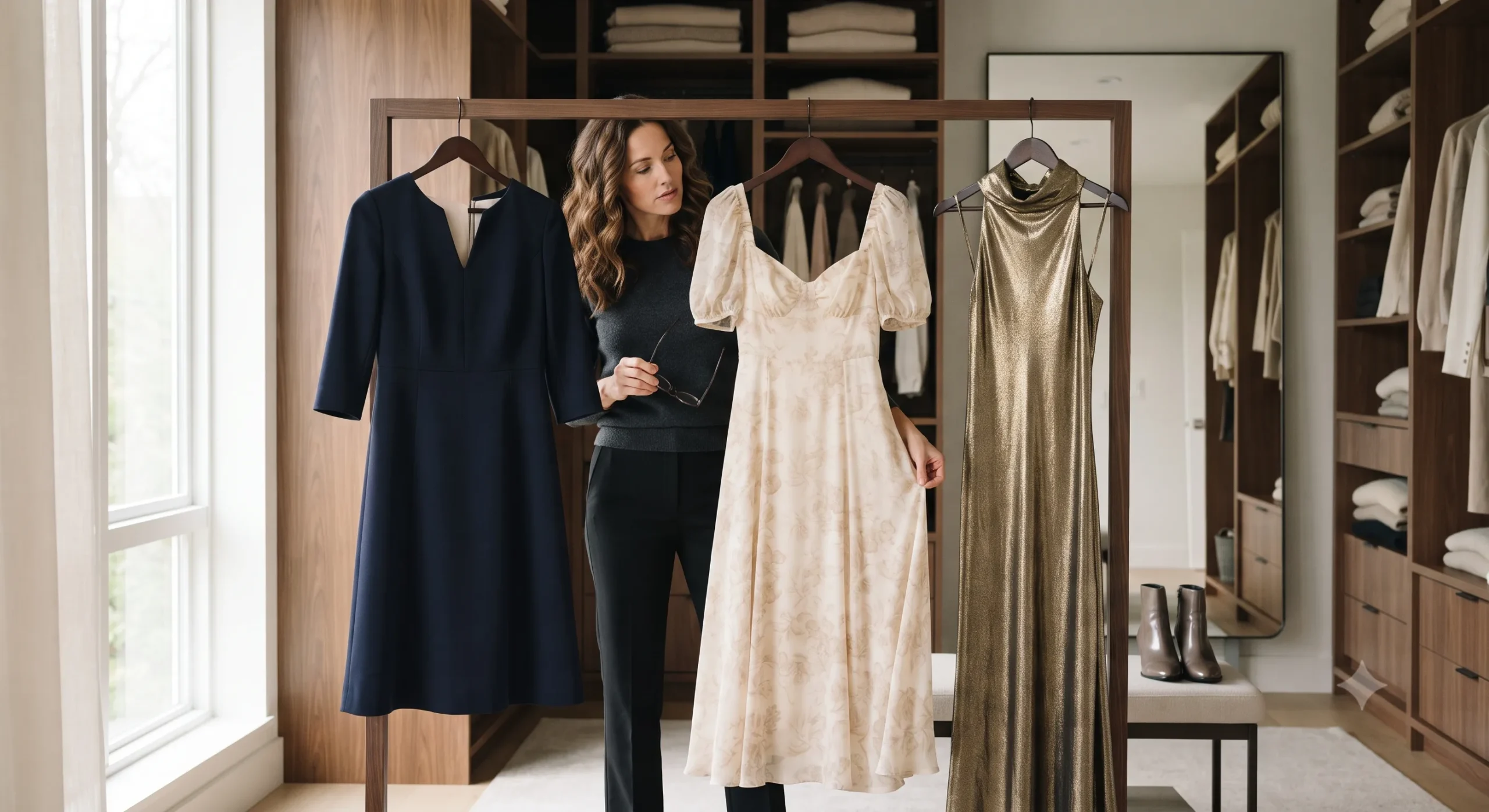
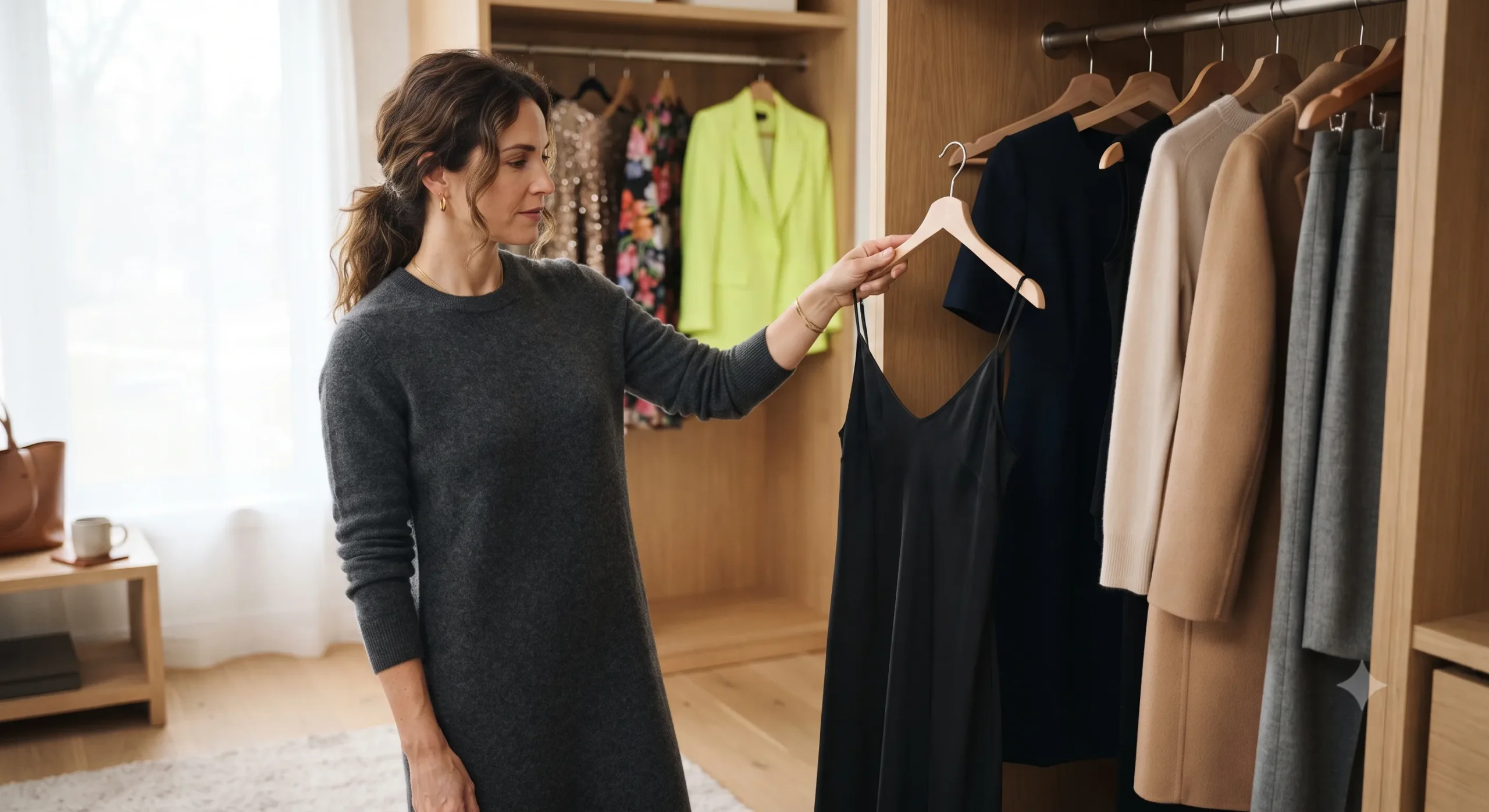
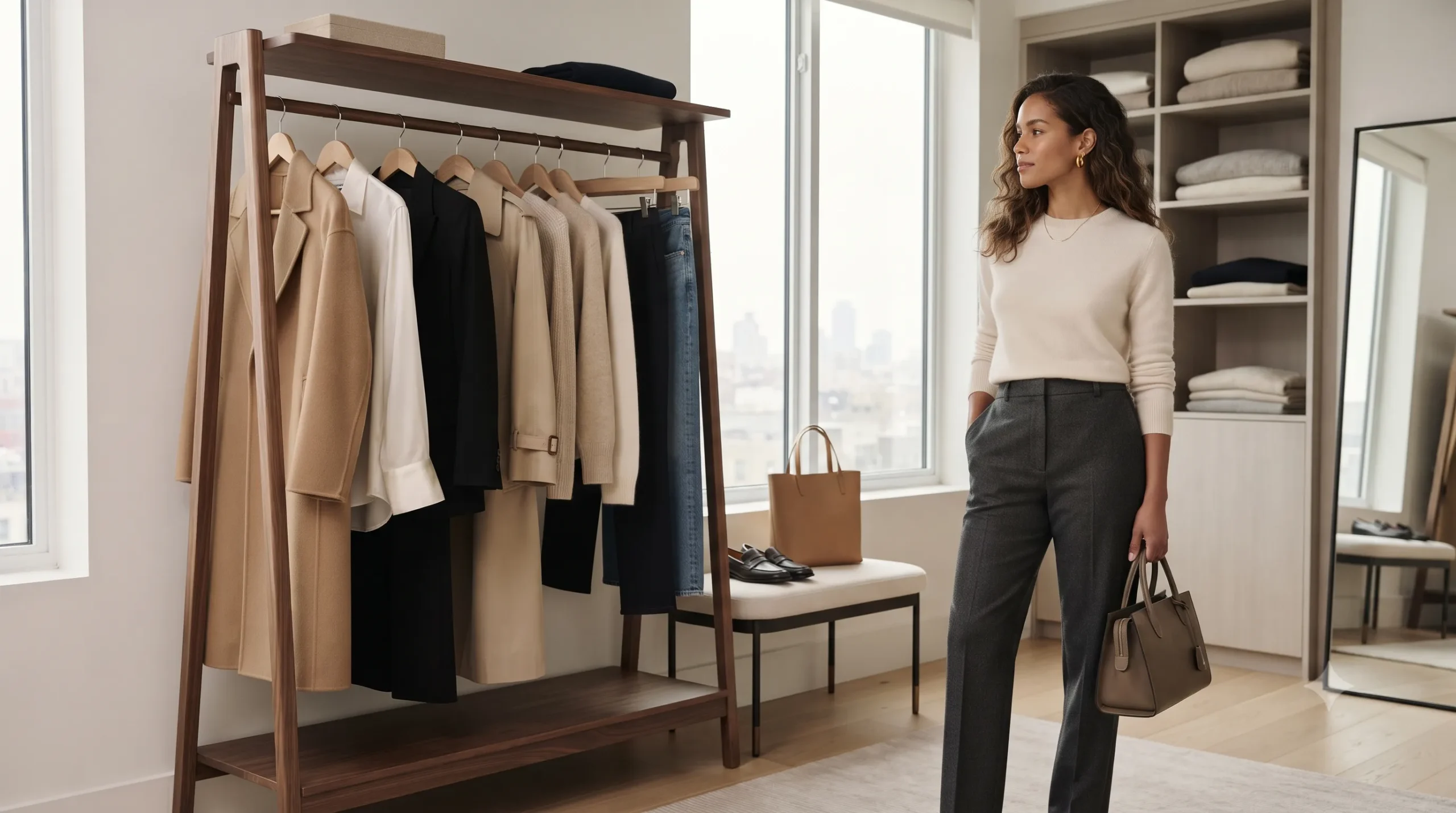
We have all experienced that specific moment of closet frustration: standing before a rack of clothes that feels full, yet somehow leaves us with nothing to wear. Often, the culprit isn’t a lack of options, but a lack of cohesion. We buy pieces that react to a fleeting micro-trend or a momentary impulse, only to find that six months later, they no longer align with who we are or how we actually live our lives.
Building a wardrobe that maintains its relevance is not about owning less in a vacuum; it is about owning pieces that earn their place through versatility, quality, and emotional resonance. It is the transition from a collection of items to a considered wardrobe.
The Shift from Trend-Driven to Logic-Driven Dressing
The most common mistake in modern dressing is buying for a “fantasy self”—the version of us that attends every garden party or works in a high-pressure creative studio, even if our daily reality is more grounded. When we dress for a trend, we are essentially renting a look; it has an expiration date.
A wardrobe that lasts relies on a shift in logic. Instead of asking, “Is this in style right now?” a more sustainable question is, “Can I see myself wearing this on a Tuesday morning, a Saturday lunch, and a wedding next year?”
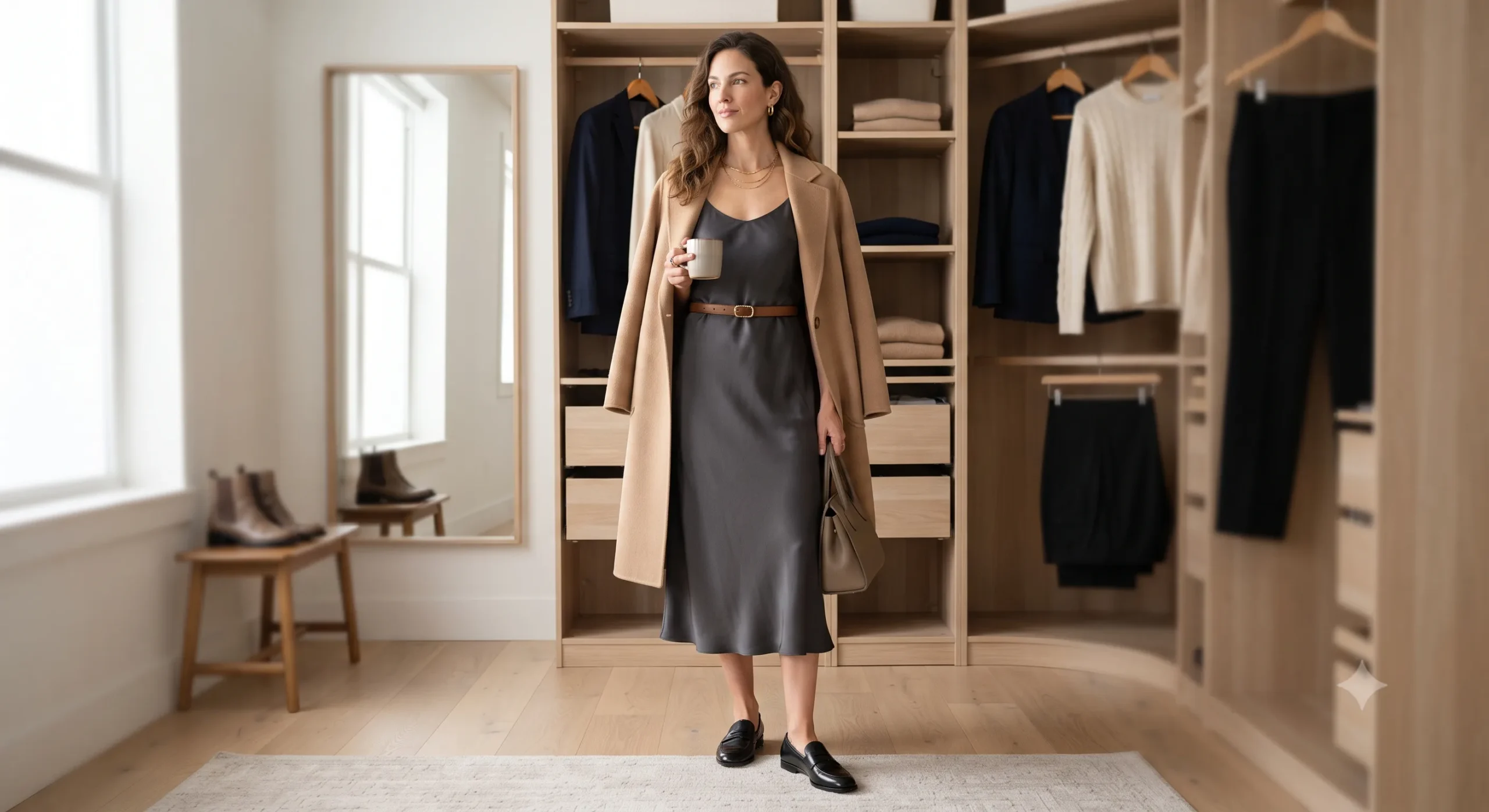
A piece becomes more versatile when its design elements—such as color, length, and neckline—allow it to move across different settings. A well-cut midi dress in a neutral tone, for example, can be dressed down with a light knit for a weekend stroll or elevated with refined accessories for a formal dinner. This adaptability is the foundation of long-term wardrobe value.
Prioritizing Silhouette and Material Behavior
When we look at clothing through a long-term lens, we must consider how a garment behaves over time. Trends often rely on extreme proportions—excessively oversized or hyper-structured—which can feel dated very quickly.
To build a wardrobe that feels “right” years from now, look for graceful proportions. This doesn’t mean avoiding shape; rather, it means seeking soft structure and feminine tailoring that complements the body rather than forcing it into a specific seasonal silhouette.
Consider the tactile reality of your clothes:
- Drape and Movement: How does the fabric move when you walk? A garment that hangs beautifully will feel polished regardless of whether the current trend is voluminous or slim.
- Fabric Integrity: Avoid fabrics that lose their shape after a single season. Natural fibers and high-quality weaves tend to age more gracefully, maintaining their texture and “hand” over years of wear.
- The Details: Small design choices, like a thoughtful neckline or a well-placed seam, contribute to a sense of quiet polish that transcends the cycle of fast fashion.
The Decision Framework for New Additions
To prevent the accumulation of “one-wear” items, it helps to have a mental filter for every new purchase. Rather than following a checklist, think of it as a decision matrix that weighs the garment’s potential against your existing life.
| Criteria | The “Trend” Purchase | The “Thoughtful” Purchase |
|---|---|---|
| Versatility | Works with only one specific item. | Works with at least three existing items. |
| Occasion | Tied to a specific, fleeting moment. | Transitions between work, travel, and social life. |
| Longevity | Relies on a loud logo or a specific “look.” | Relies on fit, fabric, and subtle sophistication. |
| Feeling | Feels like a costume or a temporary “fix.” | Feels like an extension of your personal style. |
Creating Cohesion Through Color and Texture
A common reason wardrobes feel chaotic is a lack of visual harmony. When every piece is a loud, contrasting statement, nothing can be easily paired.
A more cohesive approach involves selecting a foundational palette. This doesn’t mean wearing only black and beige; it means choosing a range of tones that speak to one another. When your base colors—perhaps soft creams, deep navies, or muted earth tones—are consistent, the act of getting dressed becomes much calmer.
Texture is the secret to preventing a cohesive wardrobe from feeling boring. If your color palette is restrained, you can introduce interest through the interplay of materials: the matte finish of a structured trouser paired with the soft drape of a fine knit, or the subtle sheen of a polished blouse against a textured skirt. This creates “outfit clarity” without needing to rely on loud patterns or heavy branding.
Cultivating a Wardrobe with Purpose
Ultimately, a wardrobe that feels right years later is one that has been built with intention. It is a collection of pieces chosen with care, reflecting a woman who values understated elegance and practical beauty.
Aunomay approaches this philosophy through a modern romantic lens: creating pieces that feel feminine, polished, and wearable well beyond a single season. By focusing on refined silhouettes and thoughtful construction, we move away from the pressure of constant consumption and toward a more peaceful, confident way of dressing.
When you stop chasing the noise of the trend cycle, you leave room for a style that is uniquely yours—a style that doesn’t just look good today, but feels increasingly right as the years pass.