Key Takeaways
- Prioritize Versatility: Select pieces that can transition seamlessly between different settings, from professional environments to social gatherings.
- Focus on Quality Over Quantity: Invest in well-constructed garments with superior fabrics to ensure longevity and a more refined silhouette.
- Understand Cost-Per-Wear: Shift your perspective from the initial purchase price to the long-term value of how often a garment is actually used.
- Build a Foundation of Elevated Basics: Establish a cohesive wardrobe by starting with timeless, high-quality essentials that serve as the building blocks for various outfits.
1. Introduction
The modern pursuit of style is often mistakenly equated with the accumulation of more. We are frequently met with the implication that a “better” wardrobe requires a larger one, leading to closets overflowing with clothes yet lacking the feeling of having something to wear. This paradox of choice often results in decision fatigue and a fragmented sense of personal style.
Creating an elegant wardrobe does not require an expansive collection; rather, it requires intentionality. True elegance is found in the curation of pieces that speak to your identity, respect your lifestyle, and stand the test of time. By shifting your focus from trend-driven consumption to a philosophy of “fewer, better,” you can build a wardrobe that feels effortless, sophisticated, and deeply personal. This guide explores the principles of intentional dressing and provides a framework for constructing a refined wardrobe that offers maximum style with minimal clutter.
2. The Philosophy of Intentional Dressing
To build a wardrobe with fewer pieces, one must first adopt a new mindset: seeing clothing as an investment in oneself rather than a fleeting impulse. This involves moving away from the cycle of fast fashion and toward the concept of the “intentional wardrobe.”
The Principle of Versatility
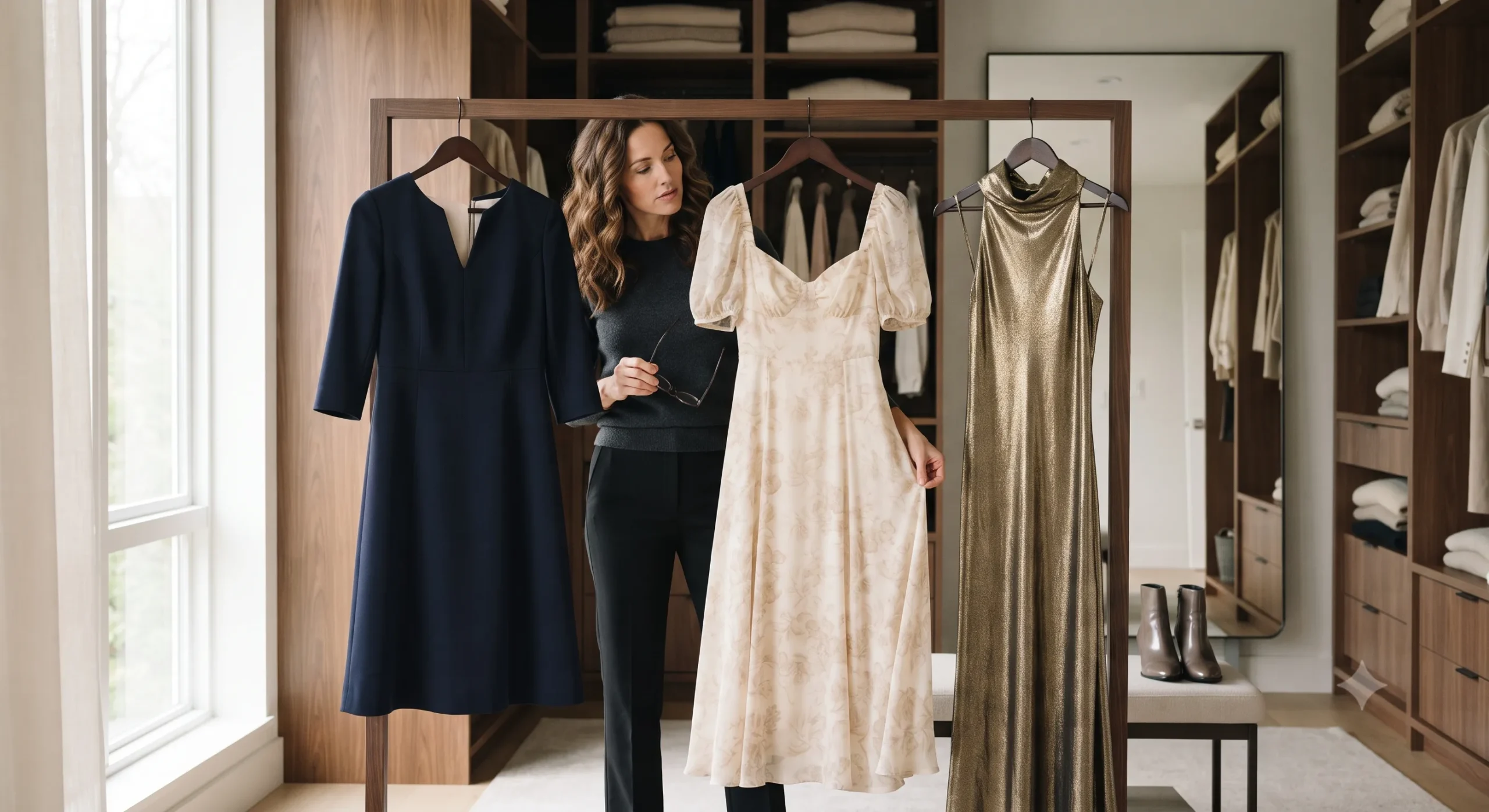
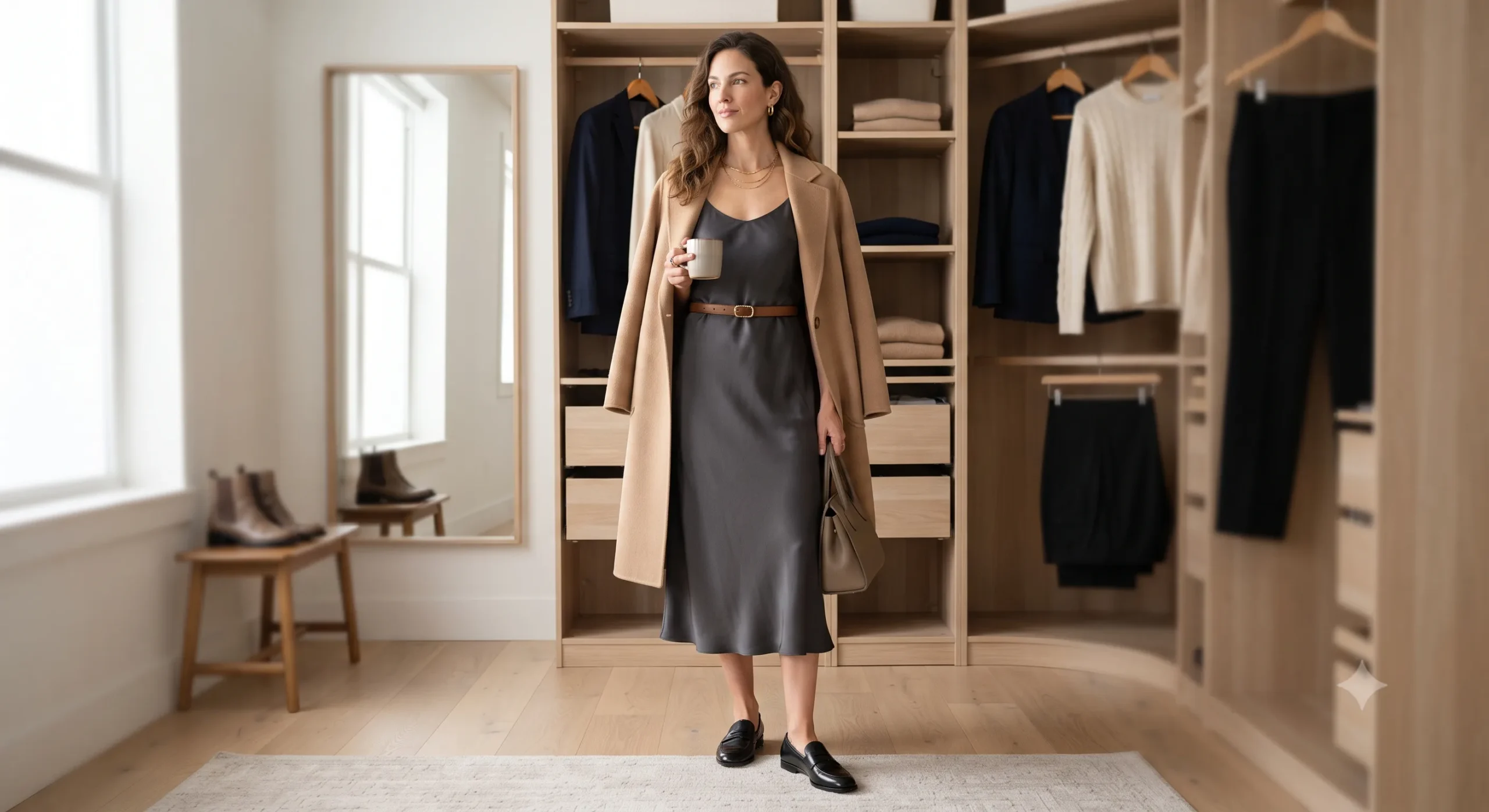
A versatile piece is one that can be styled in multiple ways across different contexts. When evaluating a potential new addition, ask yourself: “Can I wear this in at least three different ways?” For example, a well-tailored midi dress can be paired with a blazer for a formal meeting, a cardigan for a casual brunch, or elegant accessories for an evening event. If a garment only works in one specific scenario, it may not be the most efficient use of your wardrobe space.
The Five-Year Test
One of the most effective ways to gauge the longevity of a piece is the “five-year test.” Before purchasing, visualize yourself wearing that item five years from today. Does the silhouette remain classic? Is the color still relevant to your palette? Does the construction suggest it will withstand the passage of time? If the answer is no, the item is likely a trend-driven piece that will soon contribute to clutter rather than style.
Quality as a Functional Necessity
In a smaller wardrobe, every piece carries more weight. Because you are wearing your items more frequently, the quality of the fabric and the precision of the construction become paramount. High-quality materials drape better, hold their shape longer, and maintain their aesthetic appeal after multiple washes. Investing in quality is not just about luxury; it is about the practical necessity of ensuring your limited pieces remain beautiful and wearable for years.
3. Building the Foundation: The Capsule Framework
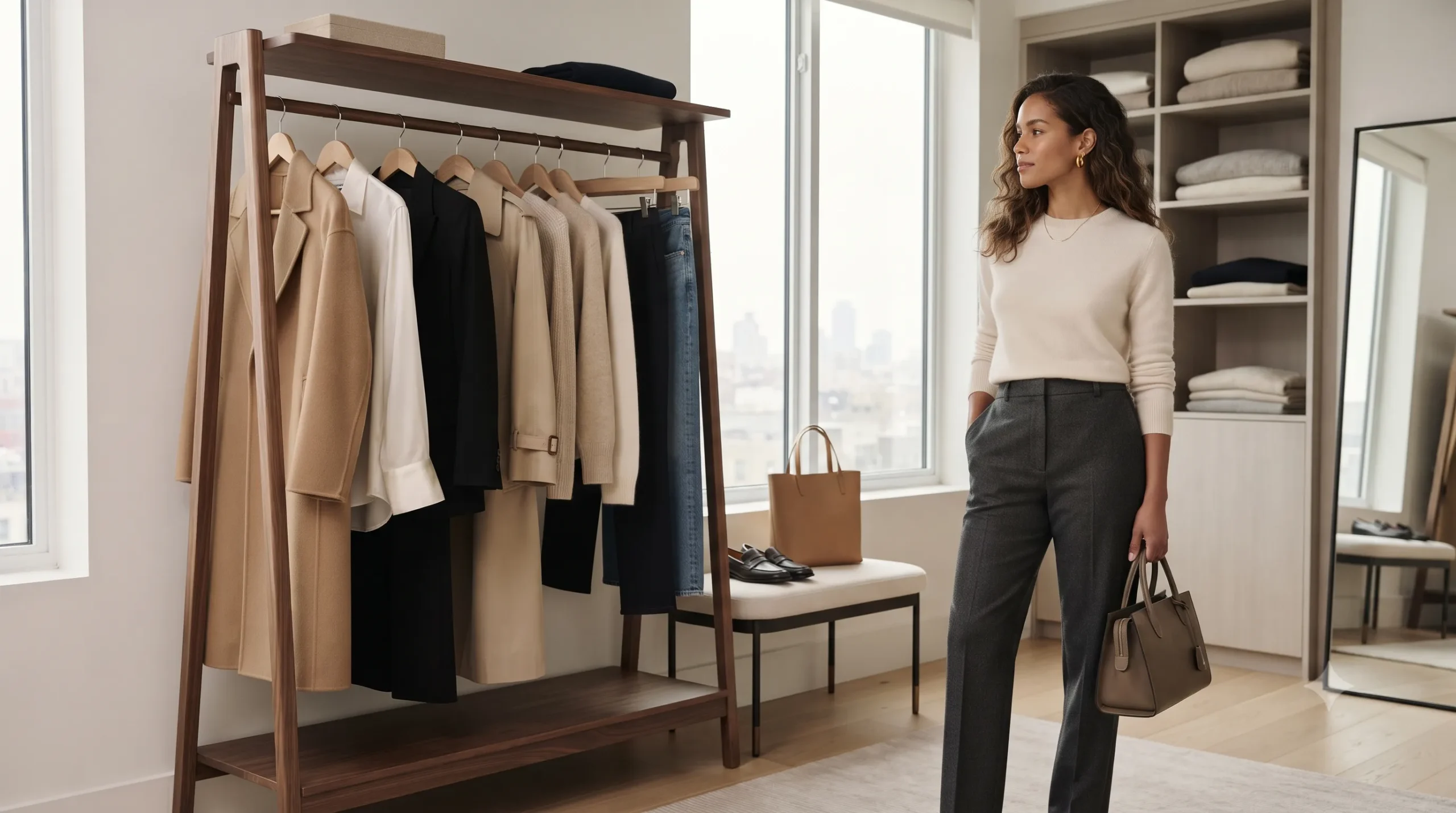
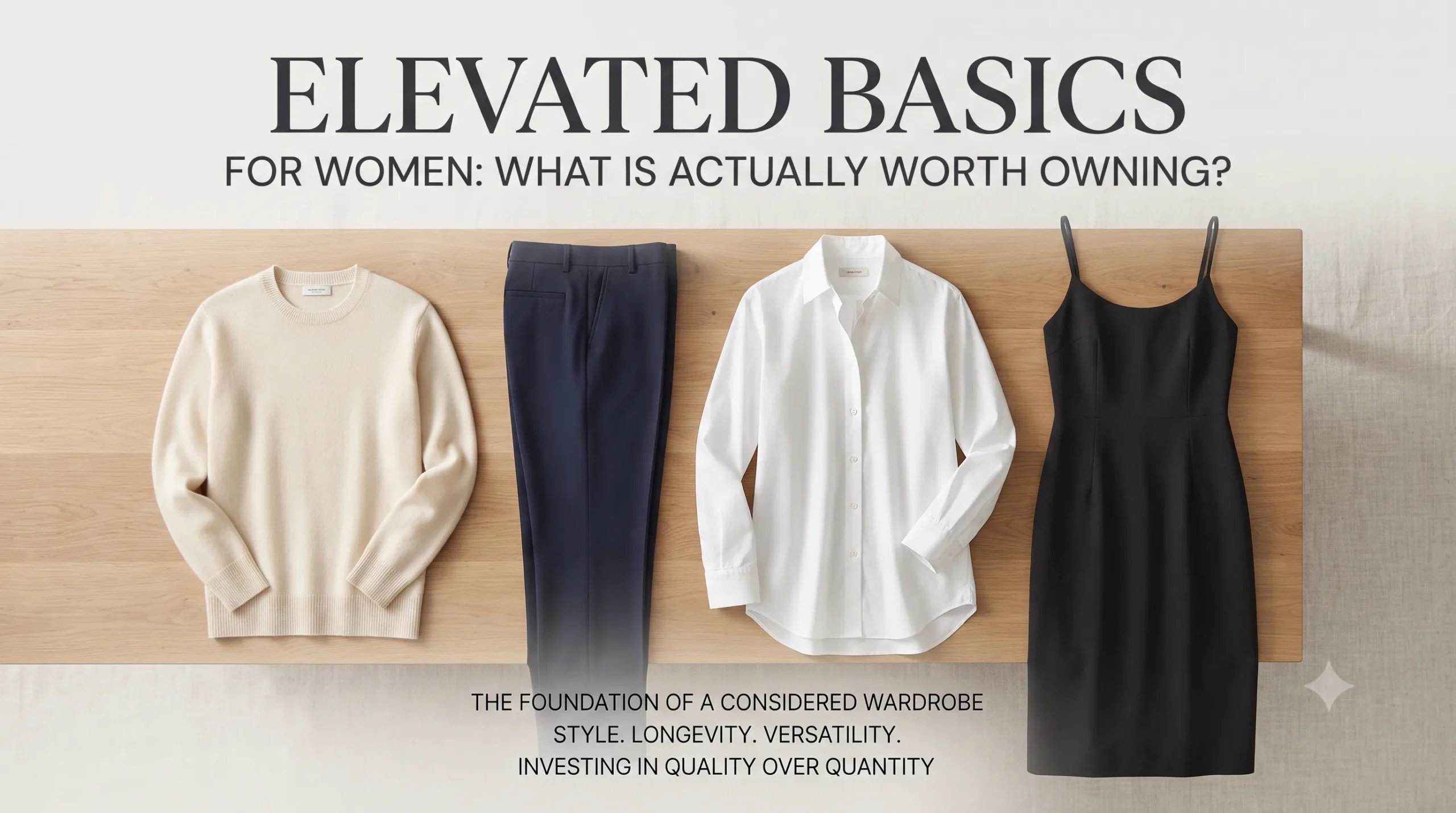
A cohesive wardrobe is built upon a foundation of elevated basics. These are the “quiet luxury” elements—items that are understated, beautifully made, and serve as the canvas for your more expressive pieces.
Step 1: Define Your Color Palette
A limited color palette is the secret to effortless coordination. Choose a base of neutrals—such as cream, navy, black, or camel—and supplement them with a few complementary tones that suit your complexion. When your wardrobe shares a cohesive color story, almost any top will pair with any bottom, making getting dressed a streamlined process.
Step 2: Identify Your Essential Silhouettes
Rather than following seasonal trends, identify the silhouettes that flatter your body and align with your lifestyle. For some, this may be structured trousers and crisp button-downs; for others, it may be flowing skirts and soft knits. Once you know your “uniform,” you can focus on acquiring the highest quality versions of those specific shapes.
Step 3: The Role of Occasion Dressing
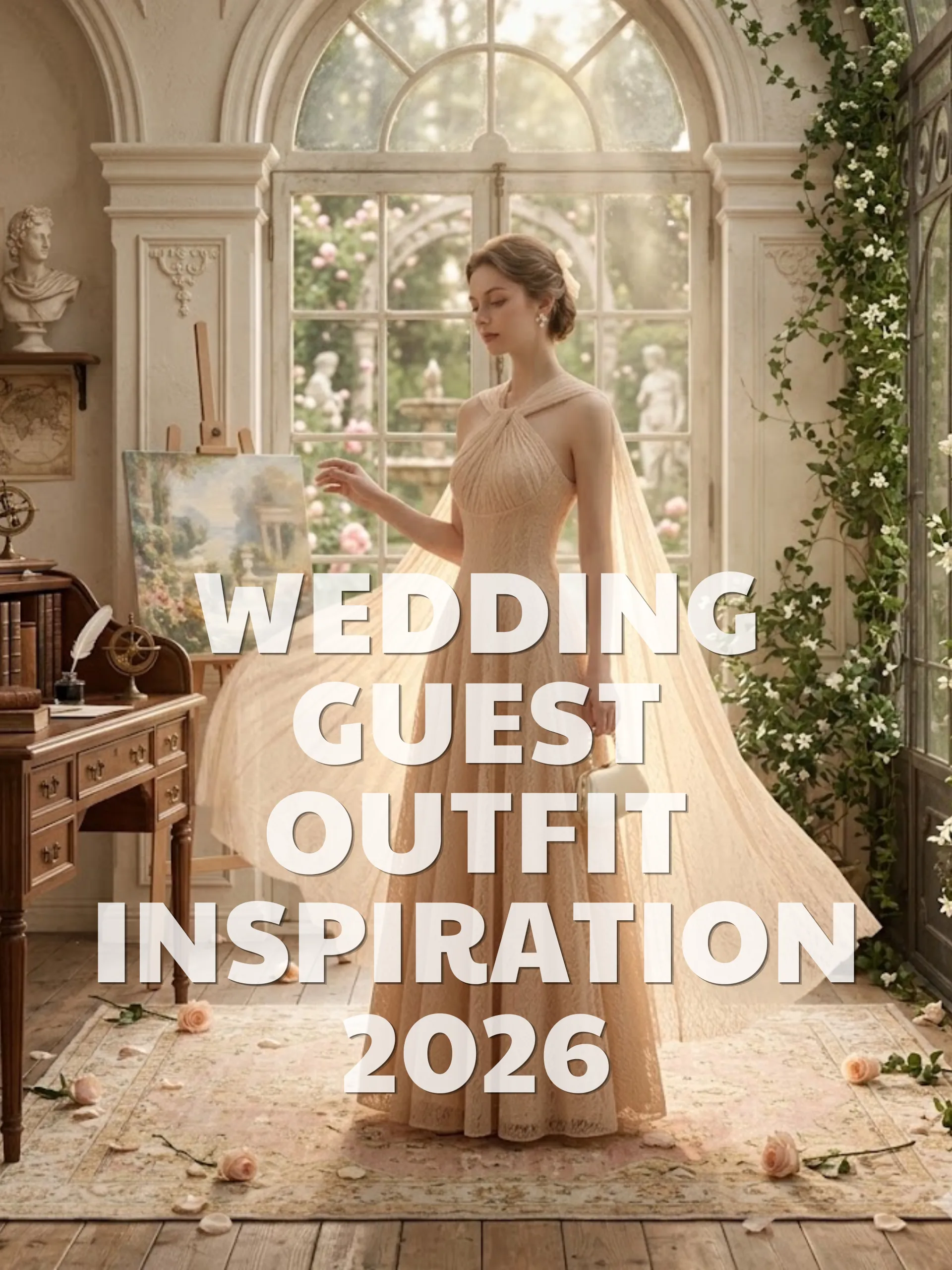
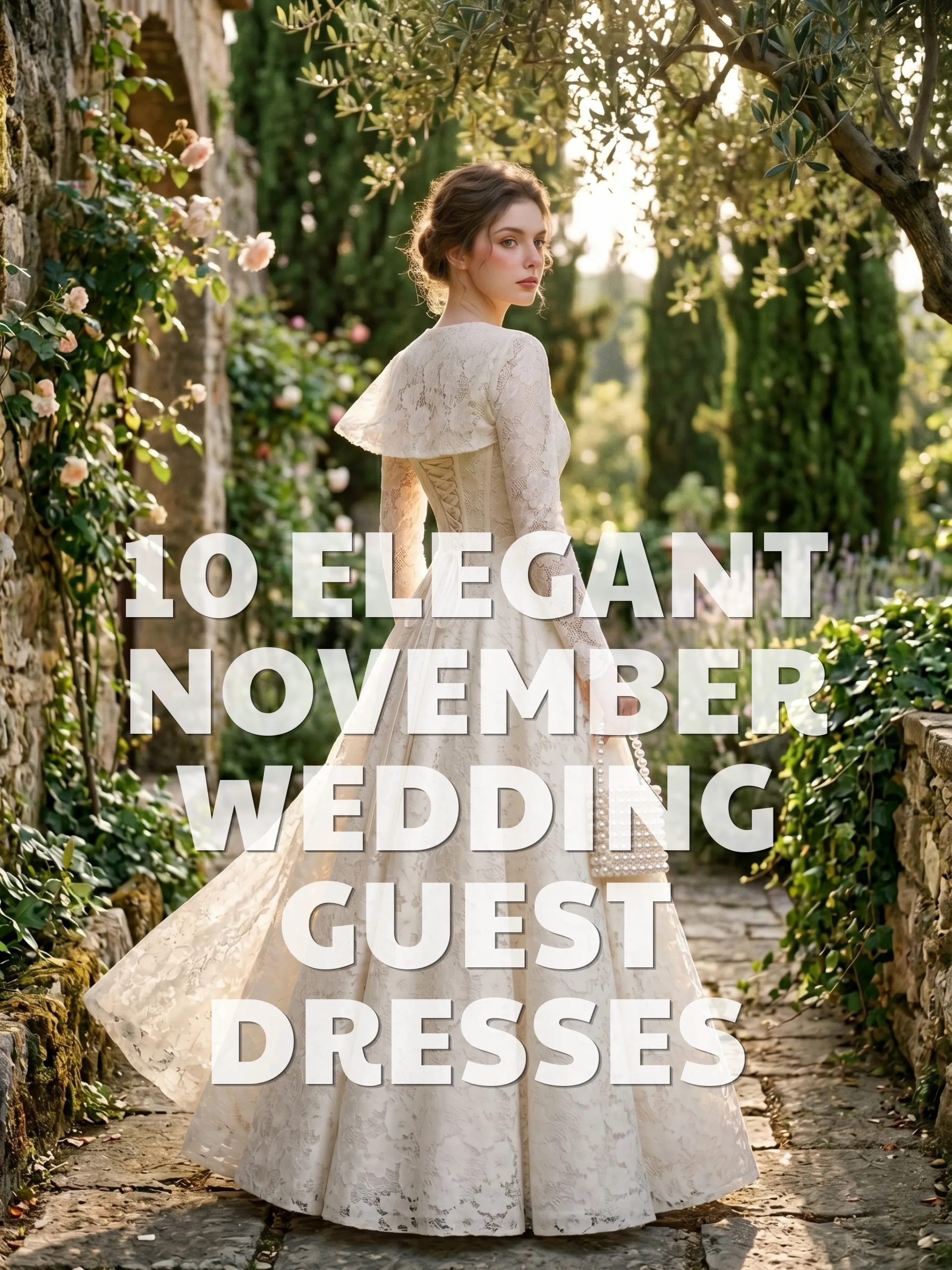
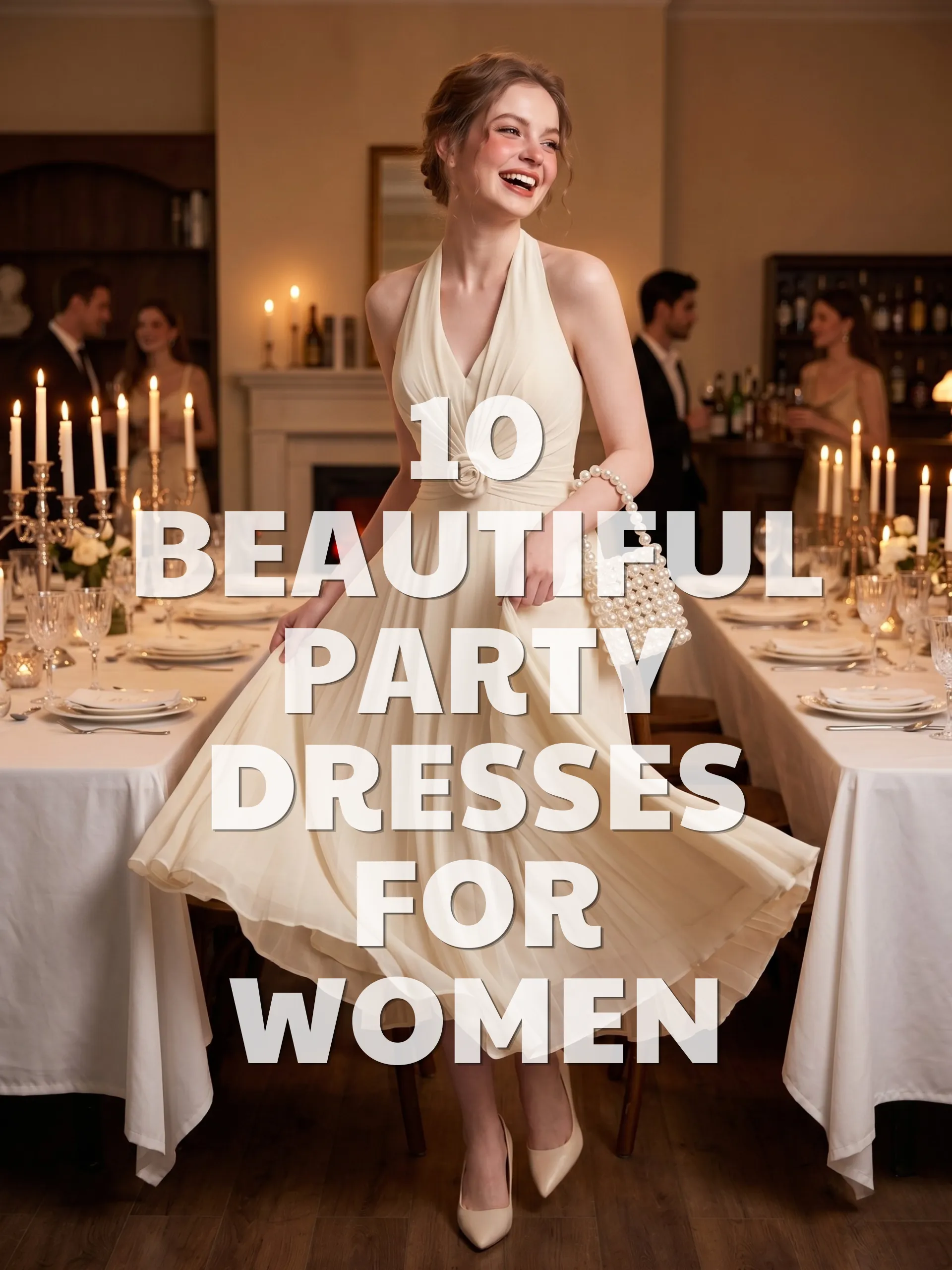
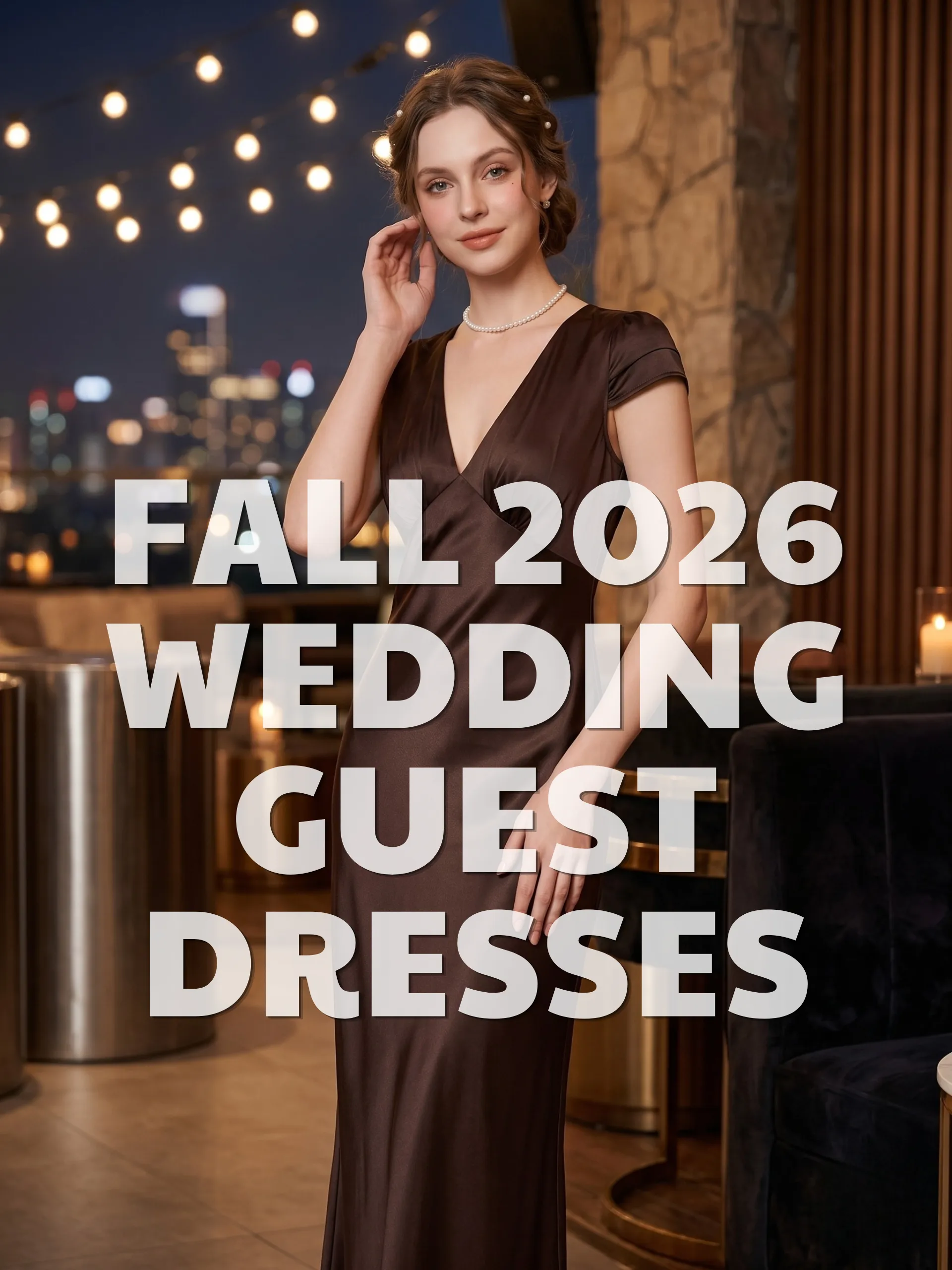
A common mistake in small wardrobes is neglecting the “occasion” category. An elegant wardrobe should include a few carefully chosen pieces for special events. These should be items that feel significant—perhaps a perfectly tailored dress or a refined blazer—that can be brought out for weddings, dinners, or celebrations without feeling like they belong to a different life.
4. Strategic Investment and Cost-Per-Wear
To move toward a more sustainable and elegant way of dressing, it is helpful to utilize the “Cost-Per-Wear” (CPW) formula. This mathematical approach helps strip away the emotional impulse of shopping and replaces it with logical value assessment.
The Formula:
Cost of Garment ÷ Number of Times Worn = Cost Per Wear
Consider two scenarios:
- The Trend Item: A highly fashionable, inexpensive blouse costs $40. However, because it is a specific trend, you only wear it 4 times before it feels dated. CPW = $10.
- The Timeless Essential: A high-quality, well-constructed dress costs $300. Because of its timeless design and versatility, you wear it 60 times over two years. CPW = $5.
While the initial investment for the second option is significantly higher, it is actually the more economical and sustainable choice. The timeless dress provides more value, more styling opportunities, and a more consistent sense of elegance.
5. The Elegant Wardrobe Checklist
Use this framework to evaluate your current wardrobe and guide your future acquisitions.
| Category | Elements to Prioritize | Evaluation Criteria |
|---|---|---|
| Foundational Basics | High-quality tees, tailored trousers, classic knitwear, crisp shirts. | Can these be layered? Are the fabrics durable? |
| Versatile Layers | Blazers, trench coats, elegant cardigans. | Do they elevate a simple outfit? Do they suit multiple seasons? |
| Signature Silhouettes | Midi dresses, tailored skirts, classic denim. | Do they flatter my shape? Are they comfortable for long-term wear? |
| Refined Accents | Leather belts, subtle jewelry, structured bags. | Do they add polish without being distracting? |
Quick Decision Framework for New Purchases:
- Does this fit my established color palette?
- Can I style this in at least three different ways?
- Does this pass the “Five-Year Test”?
- Is the fabric quality worth the investment?
- Am I buying this because I love it, or because it is “on sale”?
6. Common Mistakes to Avoid
- Chasing Micro-Trends: Buying items simply because they are currently popular on social media often leads to a wardrobe of “disposable” pieces that lack cohesion and longevity.
- Ignoring Fabric Composition: Many people focus on the look of a garment but neglect the material. Synthetic fabrics often lack the breathability and elegant drape of natural fibers, which can make an outfit look less refined over time.
- Buying for a “Fantasy Self”: We often purchase clothes for a version of ourselves that doesn’t exist—such as someone who attends gala events every weekend. An intentional wardrobe should reflect your actual daily life and the activities you truly enjoy.
- Neglecting Garment Care: Even the most expensive pieces will lose their elegance if not cared for properly. Learning how to properly wash, store, and mend your clothes is essential to maintaining a small, high-quality wardrobe.
7. FAQ
Q1. How do I start decluttering my wardrobe without feeling overwhelmed?
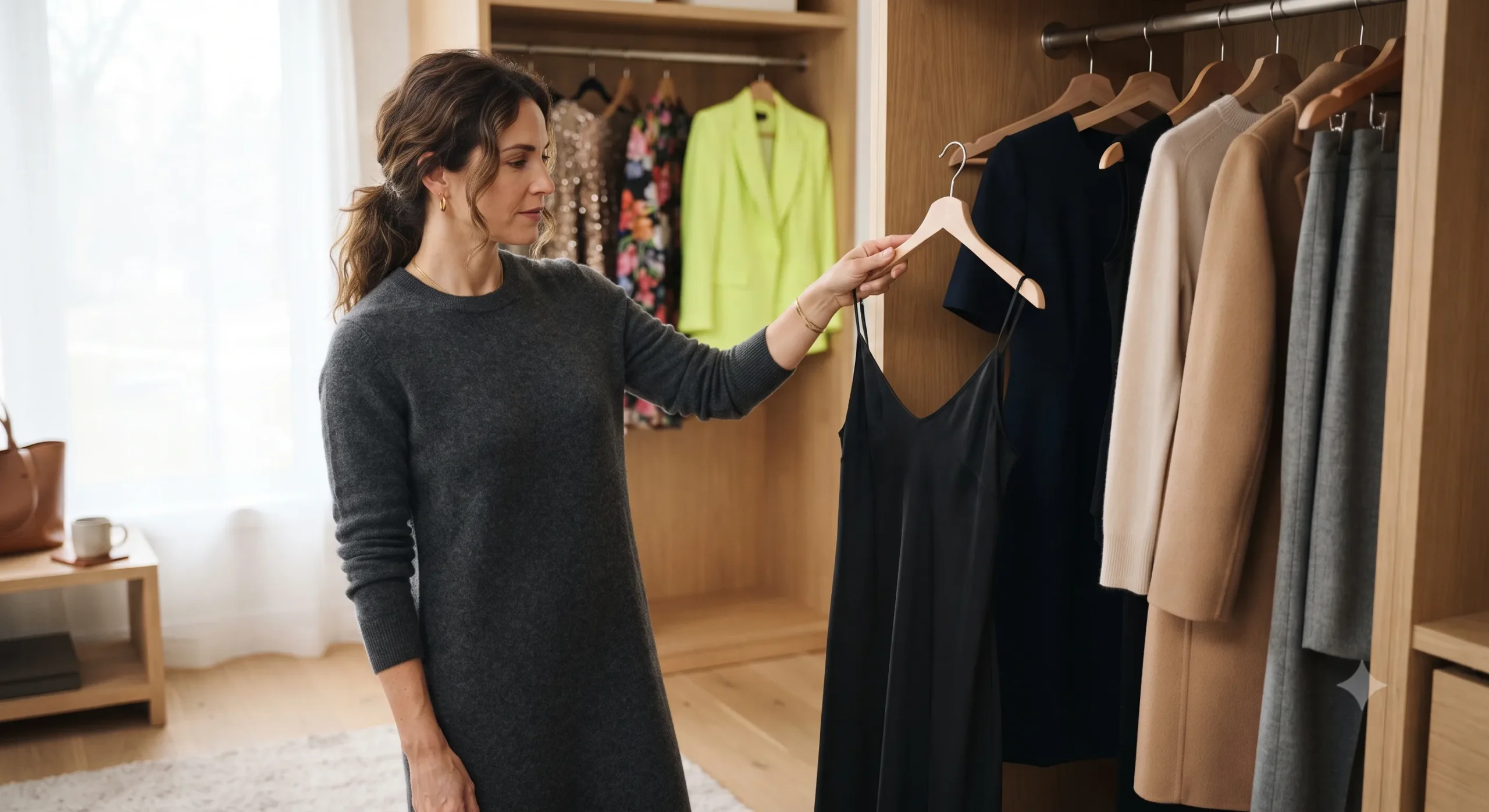
Begin by removing everything that no longer fits or that you haven’t worn in over a year. Group the remaining items by category (e.g., all trousers together) to see where your gaps are and which pieces truly form the foundation of your style.
Q2. Is a capsule wardrobe too restrictive for someone with a romantic or feminine style?
Not at all. A capsule wardrobe is not about wearing a uniform; it is about having a curated selection of pieces that work together. You can absolutely have a romantic, feminine wardrobe by choosing high-quality pieces in soft textures, floral motifs, or elegant silhouettes that all share a cohesive color story.
Q3. How can I tell if a garment is high quality before buying it?
Look closely at the seams—they should be straight and even. Check the weight of the fabric; it should feel substantial rather than flimsy. Examine the fastenings, such as buttons and zippers, to ensure they are securely attached and functional.
8. Conclusion
Creating an elegant wardrobe with fewer pieces is an act of mindfulness. It is a transition from the chaos of constant consumption to the calm of curated beauty. By prioritizing versatility, investing in quality, and focusing on timeless silhouettes, you do more than just organize your clothes—you cultivate a sense of intentionality that extends into how you present yourself to the world.
True style is not about how much you own, but about how well you know what you own. As you build your wardrobe, remember that every piece is an opportunity to express your refined femininity and celebrate the art of dressing well. In the end, a smaller, more thoughtful collection will always offer more grace, more ease, and more lasting value than a closet full of passing trends.