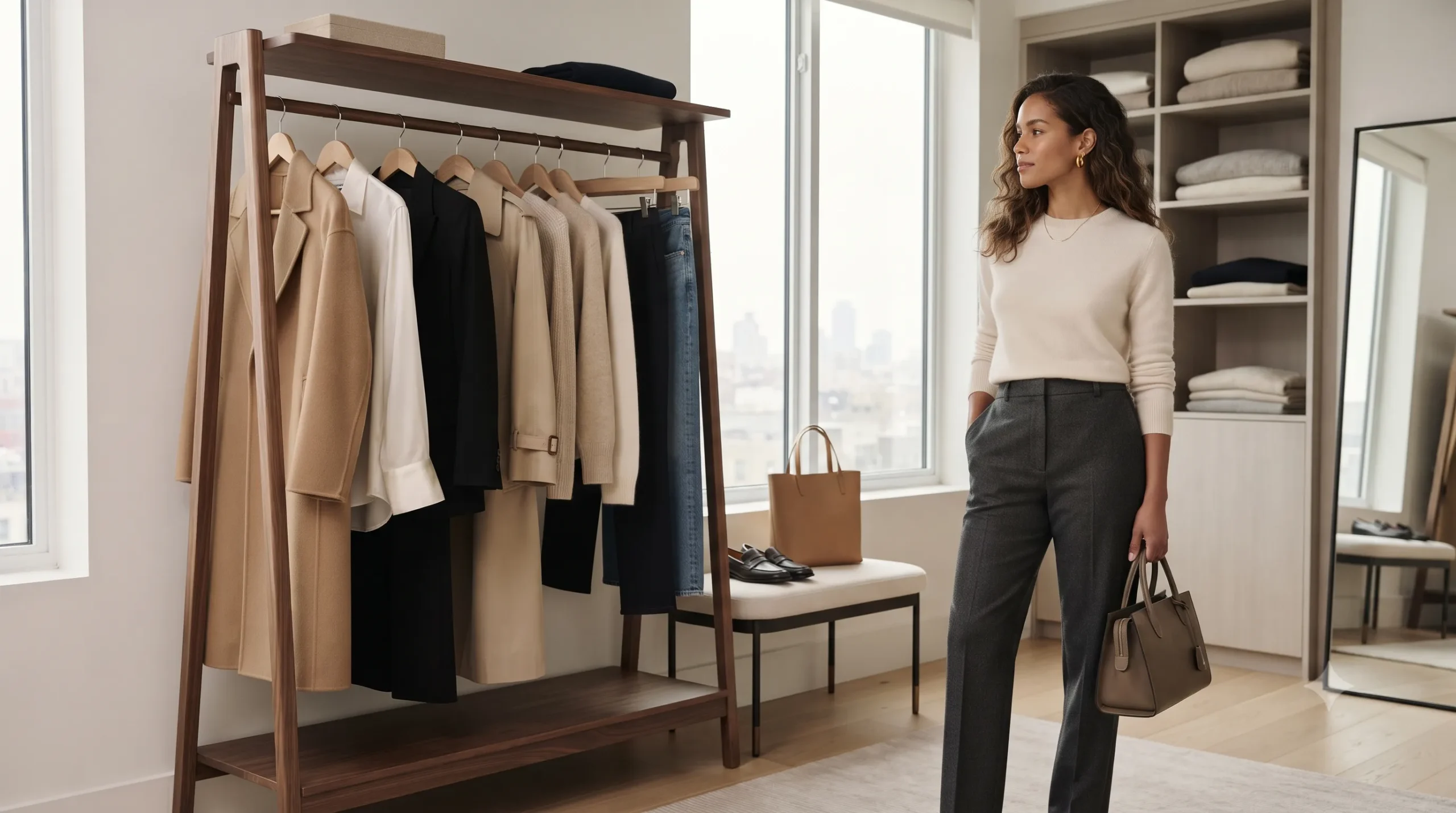
Key Takeaways
- Sustainability vs. Speed: Fast fashion prioritizes rapid production cycles and low costs, while slow fashion focuses on quality, longevity, and ethical production.
- Cost-Per-Wear Logic: Investing in high-quality, timeless pieces reduces long-term spending by extending the lifespan of each garment.
- Intentional Wardrobes: Transitioning to slow fashion means moving away from micro-trend chasing toward a curated collection of elevated basics and versatile silhouettes.
- Environmental & Ethical Impact: Slow fashion supports more transparent supply chains and reduces the waste generated by the disposable clothing cycle.
1. Introduction
The modern wardrobe often feels like a reflection of a restless world. Every week, new trends emerge on social media, promising a “new look” that feels urgent and necessary. For many women, this creates a cycle of constant acquisition—buying pieces that look beautiful on a screen but lose their charm after a single wear. This cycle is the hallmark of fast fashion.
However, a growing number of women are seeking a different way to relate to their clothes. They are looking for clarity, beauty, and a sense of calm in how they dress. This shift is the move toward slow fashion: a philosophy rooted in intentionality, refined femininity, and long-term value. Understanding the fundamental differences between these two approaches is not just about shopping better; it is about redefining your relationship with style and the resources that sustain it.
2. Defining the Two Philosophies
To make informed decisions, it is essential to understand the core drivers behind each fashion model.
The Fast Fashion Model: Quantity and Velocity
Fast fashion is built on the concept of “disposable clothing.” The primary goal is to replicate runway trends as quickly and cheaply as possible. This model relies on massive production volumes, low-quality synthetic fabrics, and rapid turnover. In this ecosystem, clothing is treated as a consumable good—much like a single-use item—rather than an investment. The allure lies in the immediate gratification of a low price point and the ability to participate in a fleeting trend.
The Slow Fashion Model: Quality and Intentionality
Slow fashion is the antithesis of the disposable cycle. It prioritizes the “why” behind a garment. Why was this made? Who made it? How long will it last? Slow fashion focuses on craftsmanship, high-quality natural fibers, and timeless silhouettes that transcend the noise of seasonal trends. Instead of chasing what is “in” this month, slow fashion seeks what is beautiful and relevant for years to come. It aligns with the concept of quiet luxury, where the value is found in the texture, the drape, and the enduring elegance of the piece.
3. The Economics of the Wardrobe: Price vs. Value
One of the most significant points of confusion for the modern woman is the perceived cost of these two models. On the surface, fast fashion appears more economical. However, when we look closer, the mathematical reality changes.
The Myth of the Low Price Tag
When a garment is priced exceptionally low, the cost is often hidden elsewhere. This might manifest in the durability of the fabric (which may pill or lose shape after three washes) or the complexity of the construction (which may lead to loose seams or poor fit). When a piece is discarded after a few wears, the “cost per wear” becomes surprisingly high.
The Investment Perspective
Slow fashion requires a higher upfront investment. However, this is an investment in a “personal archive.” A well-constructed dress or a pair of perfectly tailored trousers is designed to withstand the test of time and repeated wear. By selecting pieces that remain aesthetically relevant, you reduce the need for frequent replacements. This is the essence of an intentional wardrobe: owning fewer, better things that offer a higher return in both style and longevity.
4. Building a Timeless Wardrobe: The Slow Fashion Framework
Transitioning from a trend-driven closet to a refined, intentional one does not happen overnight. It is a process of curation rather than accumulation.
Prioritizing Elevated Basics
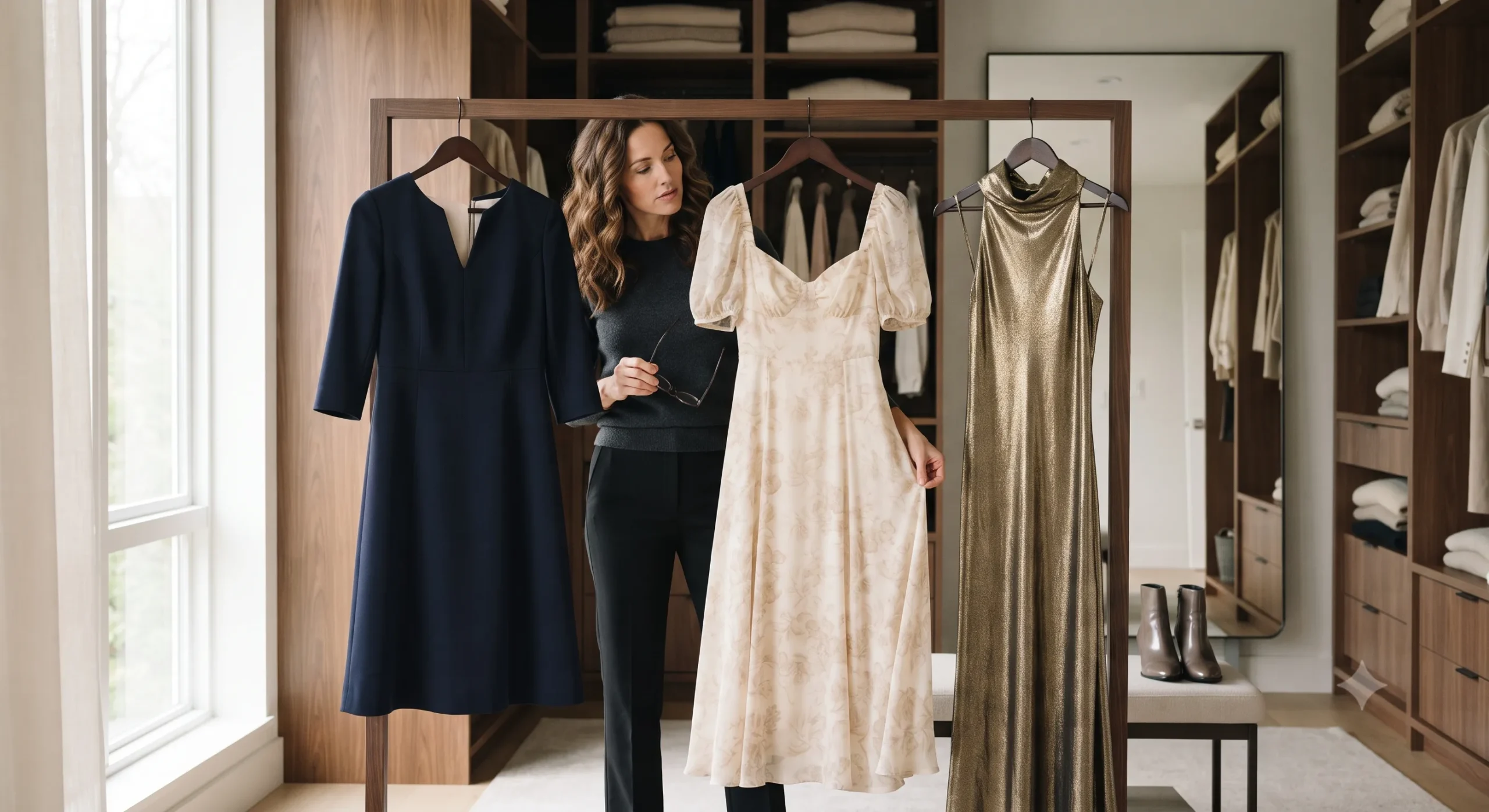
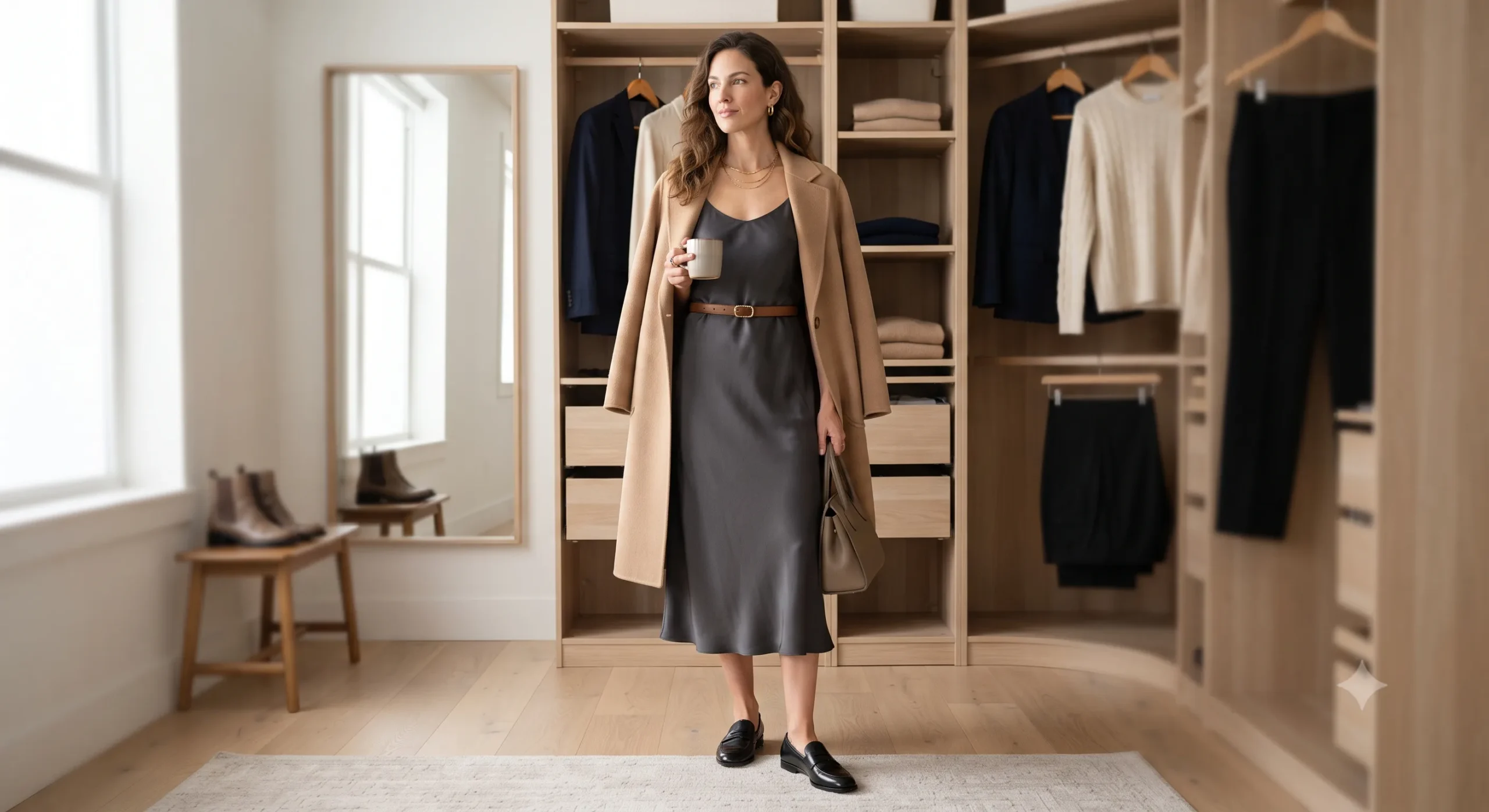
The foundation of a slow fashion wardrobe consists of elevated basics. These are the versatile pieces that serve as the building blocks for countless outfits. Think of a perfectly draped midi dress, a structured blazer, or a high-quality knit. Because these items are not tied to a specific micro-trend, they can be styled in multiple ways across different seasons.
Seeking Material Integrity
Texture and drape are the hallmarks of refined femininity. Slow fashion encourages looking beyond the label to the composition of the fabric. Natural fibers and high-quality blends tend to age more gracefully and offer a more sophisticated aesthetic than mass-produced synthetics. When a garment feels substantial and looks effortless, it is a sign of quality craftsmanship.
The Rule of Versatility
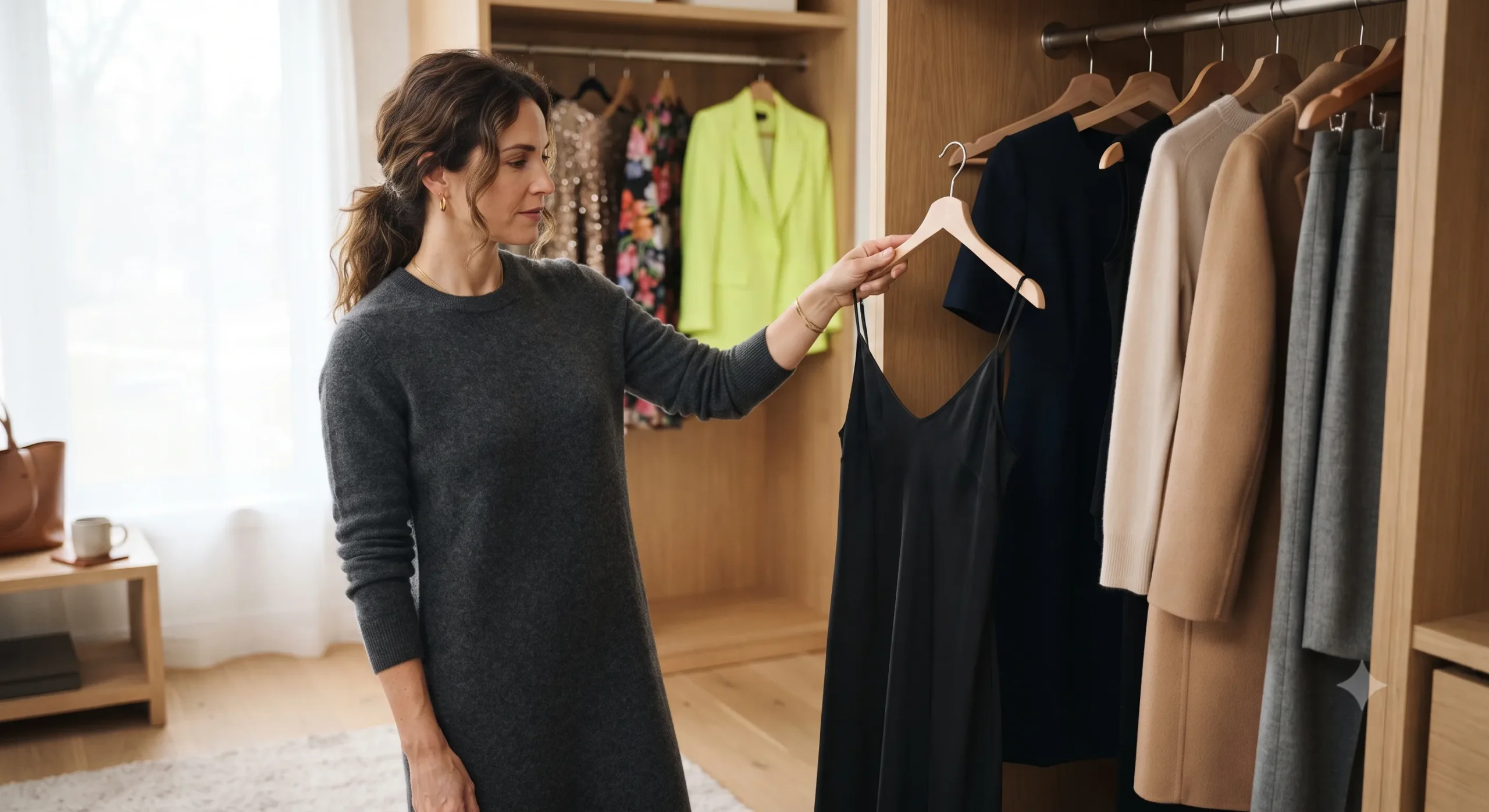
Before adding a new piece to your collection, ask: Can I style this in at least three different ways with items I already own? If the answer is no, the piece may be a “one-off” trend item that will eventually contribute to clutter. Slow fashion relies on the harmony between pieces, ensuring that every addition enhances the existing wardrobe.
5. Comparison Matrix: Fast Fashion vs. Slow Fashion
| Feature | Fast Fashion | Slow Fashion |
|---|---|---|
| Primary Goal | Speed and high volume | Quality and longevity |
| Design Philosophy | Micro-trends and imitation | Timelessness and elegance |
| Material Focus | Low-cost synthetics | High-quality, durable fabrics |
| Production Cycle | Weekly or bi-weekly updates | Seasonal or perennial collections |
| Consumer Relationship | Impulse-driven, disposable | Intentional, investment-based |
| Wardrobe Impact | Constant clutter and noise | Curated, cohesive, and calm |
6. Common Mistakes to Avoid
Even with the best intentions, it can be easy to slip back into old habits. Here are a few common pitfalls to watch for:
- Chasing “Micro-Trends”: Avoid the urge to buy a piece simply because it is viral on social media. If it feels “loud” or highly specific to a single moment, it likely lacks long-term value.
- Ignoring Fabric Composition: Many shoppers look only at the style of a garment. Always check the care label; a beautiful silhouette is wasted if the fabric cannot withstand regular wear.
- Buying for a “Fantasy Self”: We often buy clothes for the person we wish we were, rather than the life we actually lead. Ensure your intentional pieces fit your daily reality and your personal sense of elegance.
- Underestimating Maintenance: Slow fashion requires care. To protect your investment, learn how to properly wash, store, and mend your high-quality pieces.
7. FAQ
Q1. Is slow fashion only for those with a high budget?
While slow fashion pieces often have a higher initial price point, it is more about the strategy of buying less. You can transition by focusing on one high-quality item at a time rather than many low-quality ones, ultimately saving money through reduced turnover.
Q2. How can I tell if a garment is high quality?
Look at the seams—they should be straight and even. Check the weight of the fabric; it should feel substantial rather than flimsy. Finally, examine the details, such as the buttons and the finish of the interior, to ensure thoughtful craftsmanship.
Q3. Does slow fashion mean I can never wear trends?
Not at all. Slow fashion is about being intentional. You can certainly enjoy contemporary styles, but the goal is to integrate them into a wardrobe of timeless pieces rather than letting the trends dictate your entire identity.
8. Conclusion
The choice between fast and slow fashion is ultimately a choice about how you wish to move through the world. Fast fashion offers the temporary thrill of the new, but often leaves behind a trail of clutter and dissatisfaction. Slow fashion offers something more profound: the quiet confidence of knowing that what you wear is a reflection of your values, your taste, and your commitment to lasting beauty.
By choosing intentionality over impulse, you create more than just a wardrobe; you build a personal archive of meaningful pieces that make you feel elegant, composed, and authentically yourself.