Key Takeaways
- Prioritize Cost-Per-Wear: Focus on the long-term value of a garment rather than the initial price tag.
- The Five-Year Test: Before purchasing, evaluate if a piece will remain aesthetically relevant and functional in your wardrobe for at least five years.
- Embrace Versatility: Select items that can be styled in multiple ways to maximize their utility within a capsule wardrobe.
- Focus on Fabric and Construction: High-quality materials and thoughtful tailoring are the foundations of longevity and quiet luxury.
1. The Shift Toward Intentional Dressing
The modern wardrobe is often cluttered with “more”—more trends, more impulse buys, and more items that serve a single, fleeting purpose. This cycle of constant acquisition often leads to a paradox: a closet full of clothes, yet nothing to wear. Moving away from this cycle requires a fundamental shift in perspective, moving from consumerism toward intentionality.
Buying fewer, better clothes is not merely a sustainable practice; it is an exercise in refining one’s personal style. It is about curating a collection of pieces that resonate with your identity, support your lifestyle, and offer a sense of ease every time you dress. By choosing quality over quantity, you invest in a wardrobe that feels cohesive, sophisticated, and deeply personal.
2. The Logic of Longevity: Cost-Per-Wear and Quality
To transition to a more intentional wardrobe, one must change how they calculate the “value” of a garment. The most common mistake is viewing clothing through the lens of the initial transaction. A $30 shirt that loses its shape after three washes is significantly more expensive in the long run than a $120 shirt that maintains its integrity for years.
Understanding Cost-Per-Wear (CPW)
Cost-per-wear is a practical framework for evaluating the true cost of your fashion investments. The formula is simple:
Total Price of Item ÷ Number of Times Worn = Cost-Per-Wear
Consider two scenarios:
- Scenario A: An inexpensive, trendy top purchased for $40 that you wear only twice before it goes out of style or loses its fit. Your CPW is $20.
- Scenario B: A beautifully tailored, timeless dress purchased for $300 that you wear 50 times over the next three years. Your CPW is $6.
When viewed through this lens, the higher-quality item is the more economical choice. This logic encourages us to seek out elevated basics and investment pieces that offer enduring value.
The Indicators of Quality
To ensure you are buying “better,” you must become an observant shopper. Quality is found in the details that mass-market fashion often overlooks:
- Fabric Weight and Texture: Natural fibers and high-quality weaves tend to drape better and age more gracefully.
- Seam Integrity: Check for straight, consistent stitching and reinforced seams, especially in high-stress areas.
- Hardware and Finishes: Zippers, buttons, and linings should feel substantial and move smoothly, rather than plastic or flimsy.
- Structural Design: A well-made garment should hold its silhouette even when not being worn.
3. Building a Foundation: The Capsule Wardrobe Approach
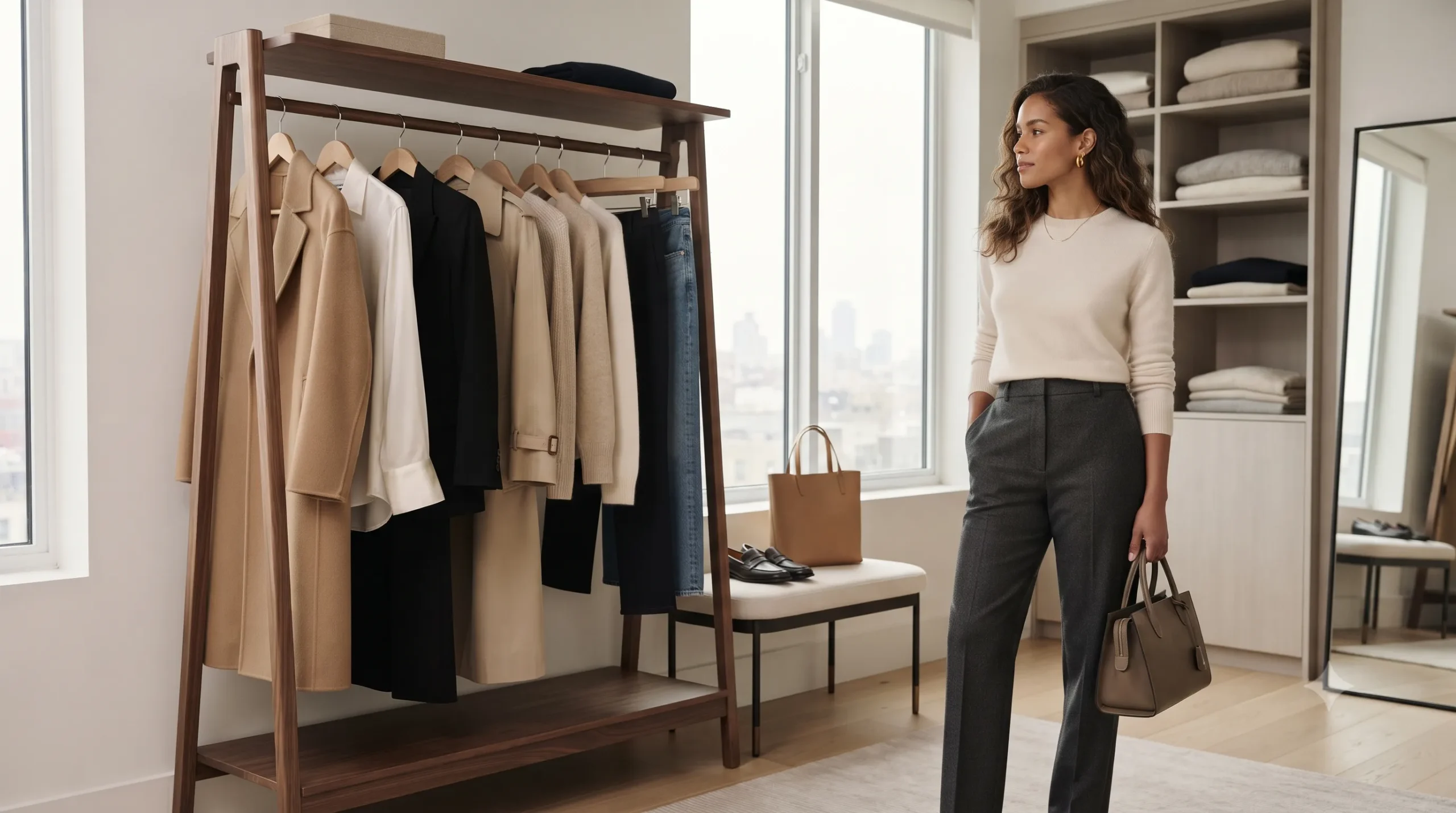
Buying fewer clothes becomes much easier when you have a strategic blueprint. This is the essence of the capsule wardrobe: a curated collection of essential items that work seamlessly together. Instead of buying individual pieces that demand a new set of accessories or shoes, you are building a system of interconnected garments.
The Role of Versatility
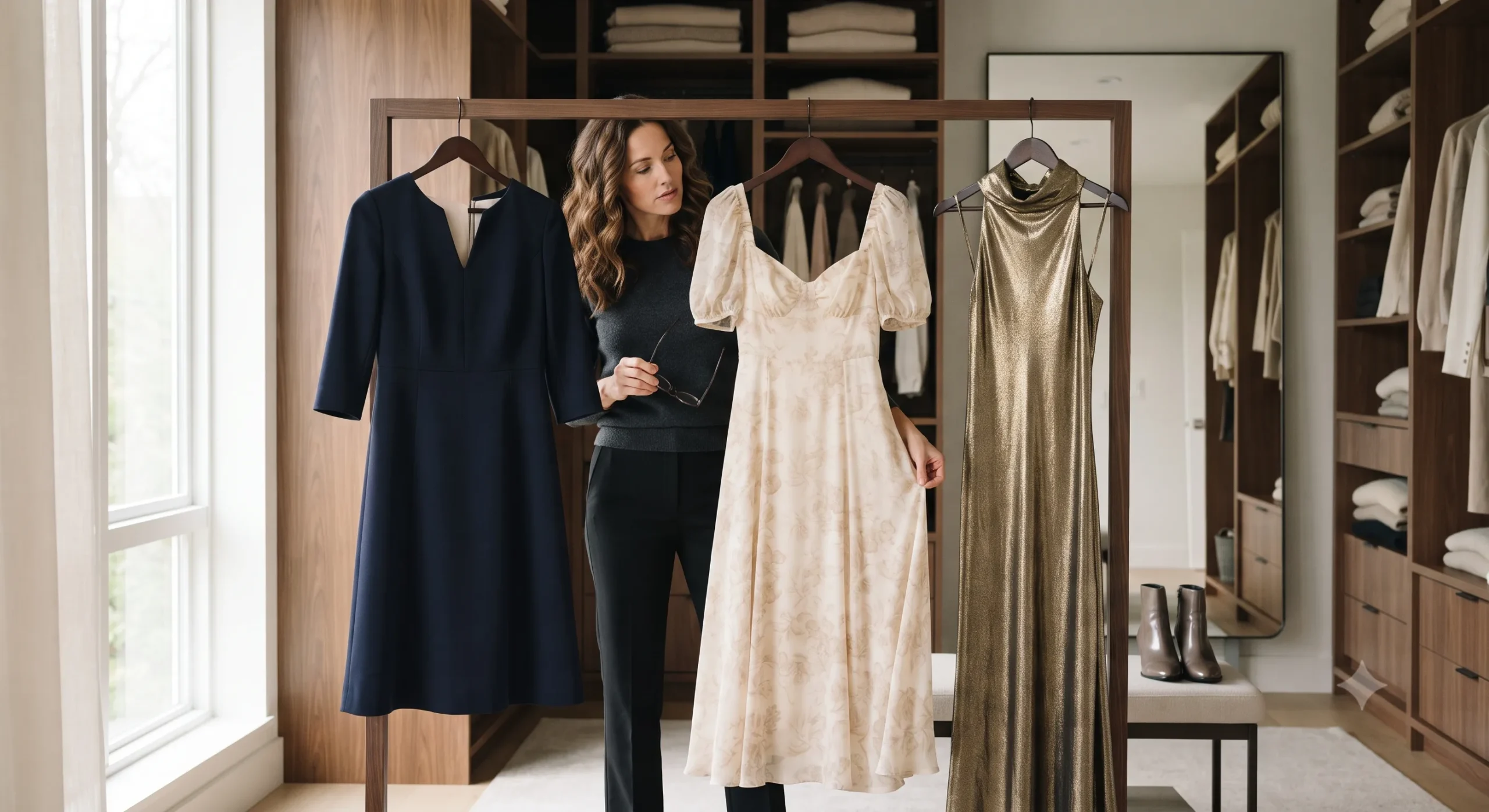
A versatile piece is one that can transition across different settings—from a professional environment to a social evening—with minimal adjustment. When evaluating a potential purchase, ask yourself: “Can I style this in at least three different ways using items I already own?”
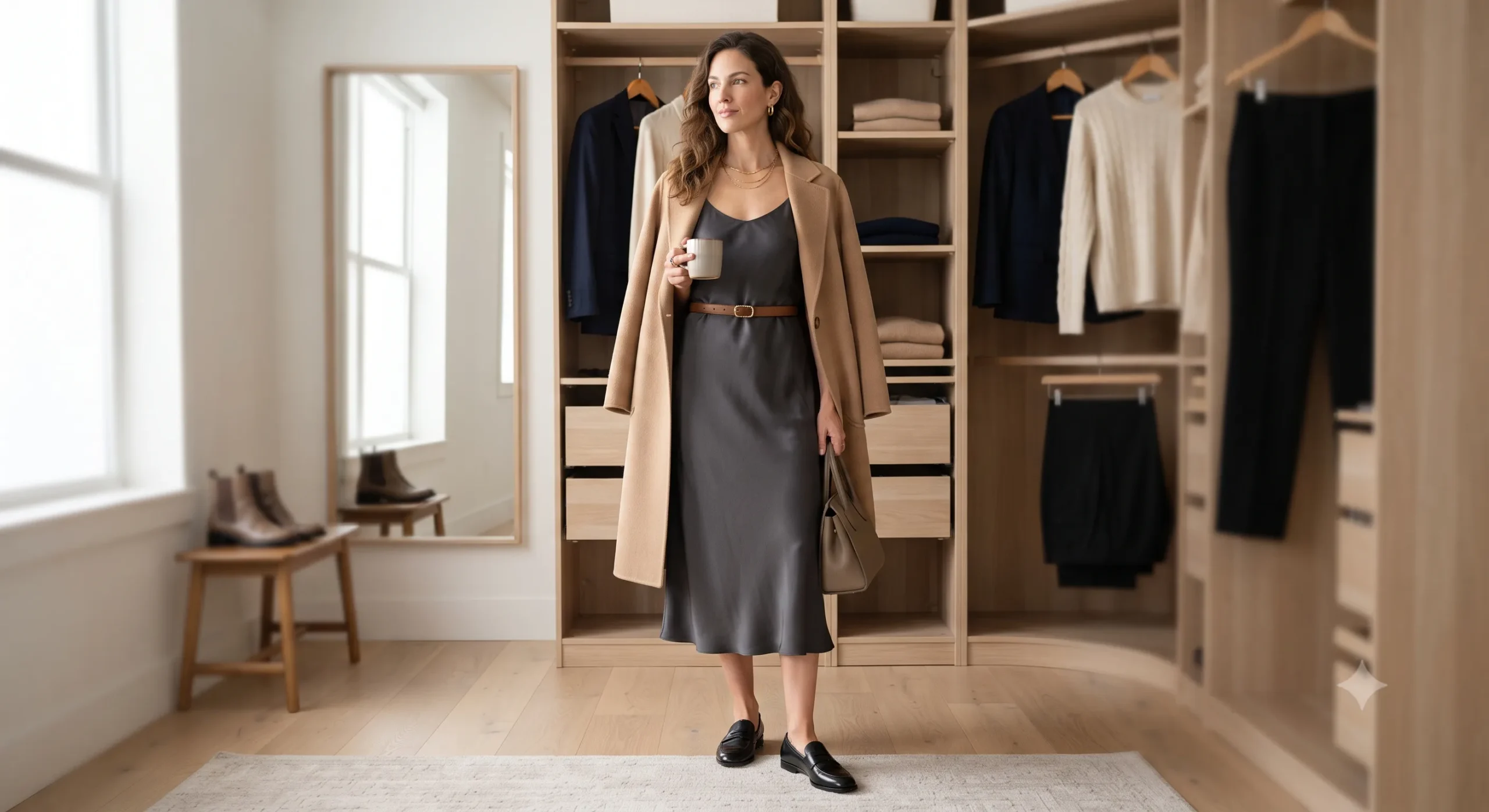
If a dress can be paired with a structured blazer for a meeting, a cardigan for a weekend brunch, and elegant jewelry for dinner, it has earned its place in an intentional wardrobe. This versatility reduces the need for “niche” clothing that sits idle most of the time.
The Power of Neutrals and Timeless Silhouettes
While color is a beautiful expression of personality, a foundation of neutrals—such as cream, navy, black, charcoal, and beige—is essential for a cohesive wardrobe. Neutral tones allow for effortless mixing and matching, ensuring that your pieces always complement one another.
Pairing these tones with timeless silhouettes—such as a well-cut midi dress, a tailored trouser, or a classic trench coat—protects your wardrobe from the volatility of trend cycles. You are not dressing for the current season; you are dressing for your life.
4. Decision Frameworks for the Intentional Shopper
To help navigate the temptation of impulse buying, implement a set of mental filters. These frameworks act as a pause button, allowing you to move from emotional reacting to rational selecting.
The Five-Year Test
Before heading to the checkout, visualize yourself wearing the item five years from today.
- Will the silhouette still feel appropriate?
- Does the color belong to a fleeting trend or a timeless palette?
- Is the quality sufficient to withstand half a decade of wear and care?
If the answer is uncertain, the piece is likely a temporary whim rather than a wardrobe investment.
The “Complete Outfit” Requirement
Never buy a “fragment.” A fragment is a piece that is so specific in its styling (perhaps requiring a very particular shoe or a specific type of top) that it cannot function on its own. Every new addition should ideally complete or enhance an existing outfit, rather than creating a new requirement for more shopping.
5. The Intentional Wardrobe Checklist
Use this checklist when evaluating new pieces to ensure they align with a philosophy of quality and longevity.
| Criteria | Evaluation Question | Goal |
|---|---|---|
| Versatility | Can I wear this in at least three different settings? | High utility |
| Longevity | Will I still want to wear this in three to five years? | Timelessness |
| Fabrication | Is the material durable and comfortable for long-term wear? | Quality |
| Fit & Tailoring | Does the construction allow for easy adjustment or a perfect fit? | Refined silhouette |
| Cost-Per-Wear | Based on my lifestyle, will the CPW be low? | Economic value |
6. Common Mistakes to Avoid
Even with the best intentions, it is easy to fall back into old habits. Being aware of these patterns can help you stay on track:
- Buying for a “Fantasy Self”: Avoid purchasing clothes for a lifestyle you don’t actually lead (e.g., buying heavy formal wear when your life is mostly casual). Buy for the life you live.
- Falling for “Sale” Traps: A discount on a piece you don’t need is not a saving; it is an expense. Only buy when the item serves a purpose, regardless of the price reduction.
- Overlooking Maintenance: Buying better clothes requires better care. Neglecting proper washing and storage can destroy even the highest quality garment.
- Chasing Micro-Trends: Trends move faster than ever. If a piece feels “very 202X,” it likely won’t survive the five-year test.
7. FAQ
Q1. How do I start transitioning to a more intentional wardrobe without feeling overwhelmed?
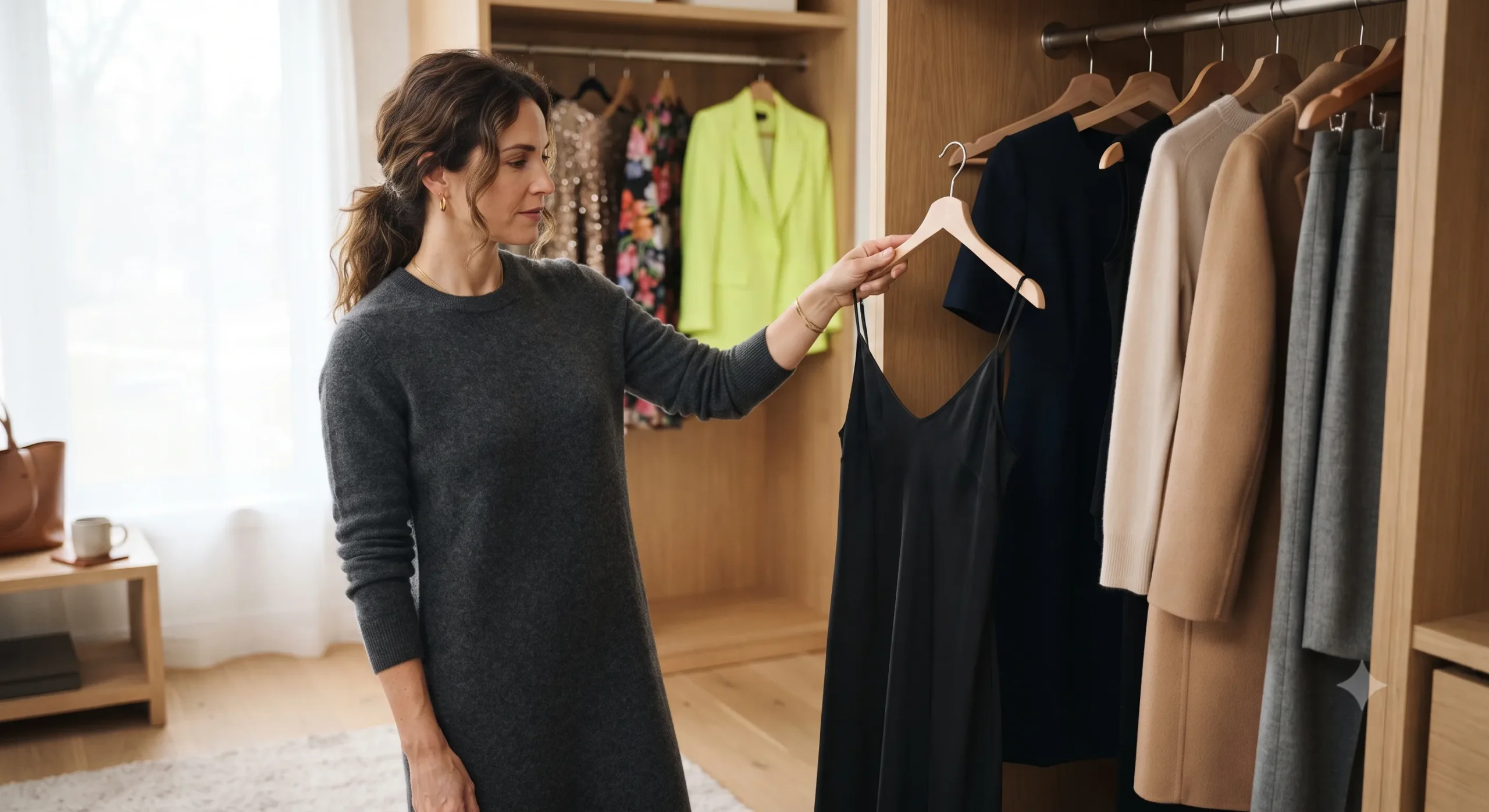
Start by auditing what you already own. Identify the pieces you love and wear most frequently; these are your “style anchors.” When you do need to replace something, replace it with a higher-quality version of those anchors rather than trying to overhaul your entire closet at once.
Q2. Does “buying better” mean I can only afford luxury brands?
Not necessarily. “Buying better” refers to the quality of construction and the longevity of the design, not just the price tag. While luxury brands often provide higher quality, you can find excellent, well-made pieces at various price points by looking closely at fabric composition and manufacturing details.
Q3. How can I tell if a fabric is high quality just by looking?
Look for natural fibers like cotton, wool, or linen, which generally have better structure and breathability. Observe the weave; a tight, consistent weave is a sign of quality, whereas loose, uneven threads may indicate a garment that will lose its shape quickly.
8. Conclusion
The journey toward buying fewer, better clothes is a journey toward clarity. It is a move away from the noise of fast fashion and toward a more quiet, refined way of living. By focusing on cost-per-wear, prioritizing versatility, and adhering to the five-year test, you transform your closet from a source of stress into a source of confidence.
Ultimately, an intentional wardrobe is an act of self-respect. It is about choosing pieces that honor your time, your resources, and your personal elegance, creating a lasting sense of style that transcends the passing seasons.